


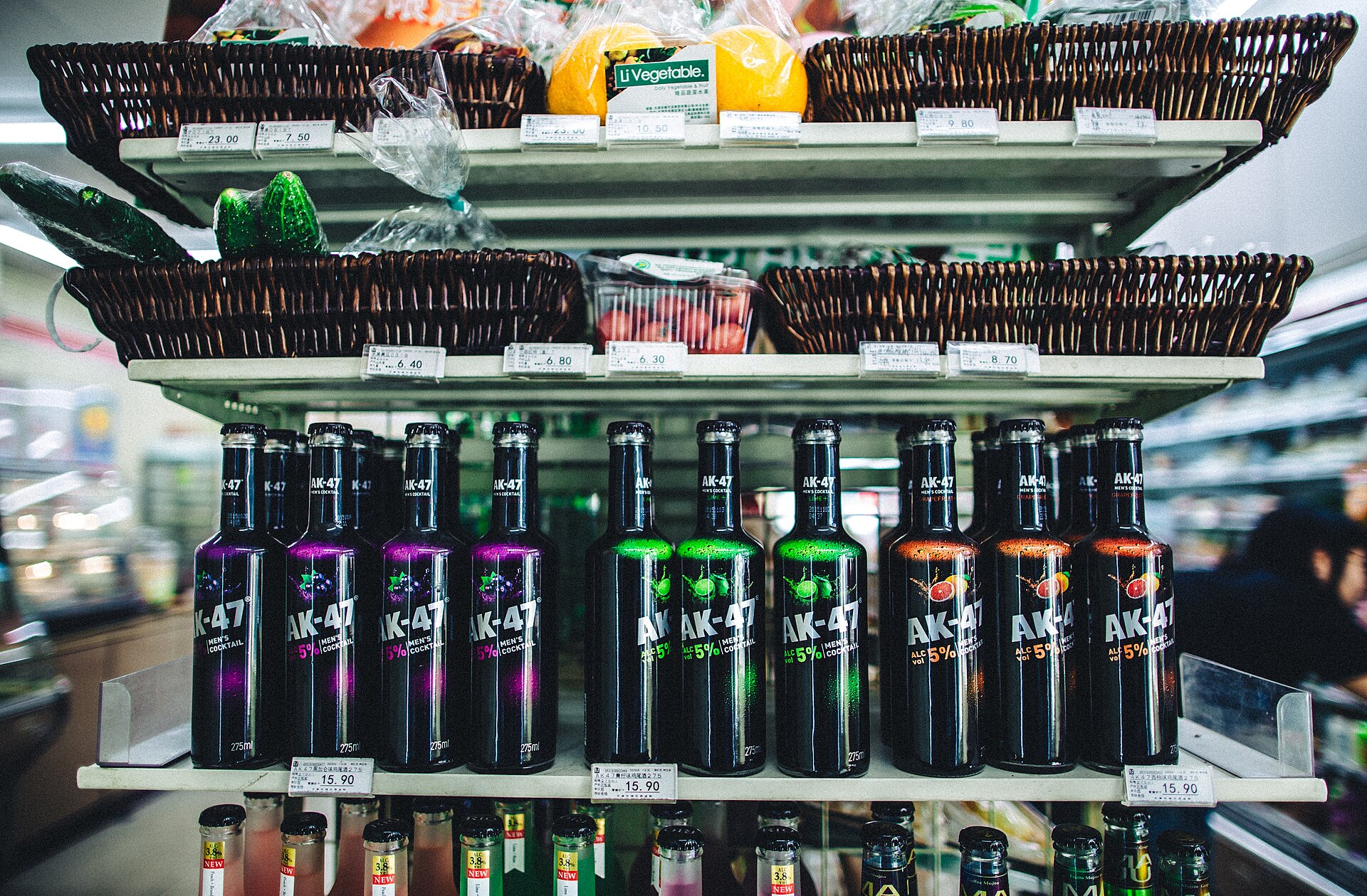
Painter Dominick Lemonious did not plan to become an arts entrepreneur. More than a decade ago, he viewed his future outside of the creative field. That trajectory changed when his family purchased a liquor store on Detroit’s East Side in 2020. Lemonious, who holds a business marketing degree, initially took on marketing duties for the business. He soon realized his passion for painting had evolved from a hobby into a central part of his life.
He combined his business background with his artistic practice to create Push Gallery at Liquor Basket Gratiot. The concept was unconventional: an art gallery housed within a liquor store. This location sits far from the city’s more famous cultural districts, such as the Detroit Institute of Arts or downtown skyscrapers. Instead, it serves as a hub for a new generation of Black Detroit artists who have quietly established themselves in the area.
Push Gallery Detroit and Local Creatives
The gallery gained significant attention during a 2023 solo show by Detroit photographer Elonte Davis titled “Love, Appreciation & Celebration.” The event drew top artists and curators to the neighborhood. Lemonious noted that the space felt fresh and refreshing to visitors who were accustomed to seeing art in traditional settings. The success of that exhibition cemented the gallery’s role in the local community.
Visitors to Push Gallery can purchase merchandise from Detroit brands, enjoy local art, and stock up on regional snacks. Lemonious encourages guests to interact with the artists and try products like Better Made chips and Vernors. The space offers a distinct perspective on the city, blending retail with cultural expression.
Other nearby venues contribute to the East Side’s creative landscape. Harper Galleries, owned by DFAB co-founder Henry Harper, sits on the riverfront near the bridge to Belle Isle. It operates year-round from Thursday through Sunday. The Detroit Fine Arts Breakfast Club (DFAB) also plays a key role, hosting weekly meet-ups that connect rising stars with established patrons.
Detroit East Side Attractions and Events
Exploring the area reveals Detroit’s deep car culture. Gratiot Avenue features well-maintained vintage vehicles that draw attention from passersby. This automotive heritage is part of the MotorCities National Heritage Area, the only National Park Service site dedicated to automotive history. The annual Woodward Dream Cruise in August attracts crowds to Woodward Avenue, showcasing the city’s mechanical legacy.
For outdoor activities, the Dequindre Cut offers a two-mile greenway connecting Eastern Market to the water. The path features murals and hosts the Detroit House Collective’s Summer House Sundays series. The free event runs from 3 p.m. to 7 p.m. during the summer, offering music, games, and a beer garden.
In September, the Detroit Month of Design brings art to the forefront. The Eastern Market After Dark festival features approximately 125 artists across stalls and streets. Visitors can explore the Shadow Gallery for art and music before dining at Louie’s Ham & Corned Beef, a long-standing market institution.
Dining options in the area reflect the city’s culinary diversity. Clique Restaurant is known for its breakfast spread. Further northwest, Le Petit Dejeuner and the Block serve brunch and craft cocktails. Saffron De Twah, a modern Moroccan bistro and former James Beard Award semifinalist, offers dinner near Gratiot. The restaurant temporarily closed earlier this year while its head chef recovered from surgery.
Art enthusiasts can view Lemonious’s mural “If My Mind Can Conceive It” at the Lasky Recreation Center. The building is a 1940 Works Progress Administration structure. Lemonious recently traveled to Paris, where he noted similarities between the French capital and Detroit. He described both cities as having elite architectural bones that are now being reimagined with local creativity.
Lemonious continues to expand the visibility of Detroit’s East Side through his gallery and community engagement. The Push Gallery remains a central point for those seeking to understand the city’s evolving artistic identity.
Source: Afar
