


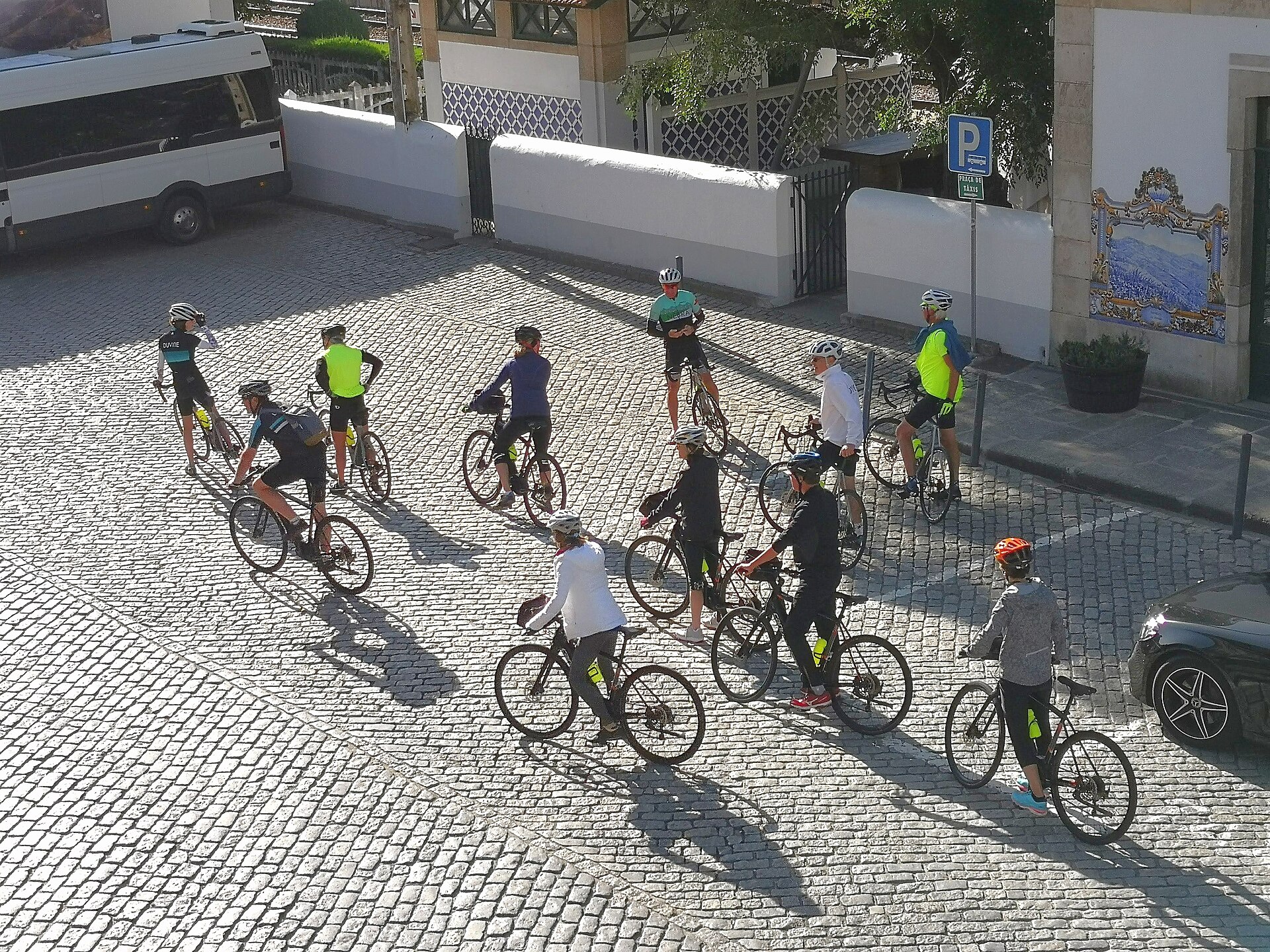
Andy Levine has spent nearly thirty years building a travel company around a single premise: the best experiences require work. DuVine Cycling + Adventure Co. takes travelers through Burgundy, Tuscany, Mallorca, and the Dolomites by bicycle. The itinerary includes excellent hotels, delicious meals, and plenty of wine. However, guests must first endure sweat, weather, and steep hills. Dinner is not given; it is earned.
The Case for Friction in Luxury
At the highest end of the travel market, a shift is occurring. Travelers are increasingly interested in escaping the protective cocoon that luxury once created. Nature, physical exertion, and sensory details that are difficult to reproduce are becoming central to the appeal. The frictionless bubble is out. The scent of trees while riding through a forest, perhaps on the way to a perfect lunch, is in.
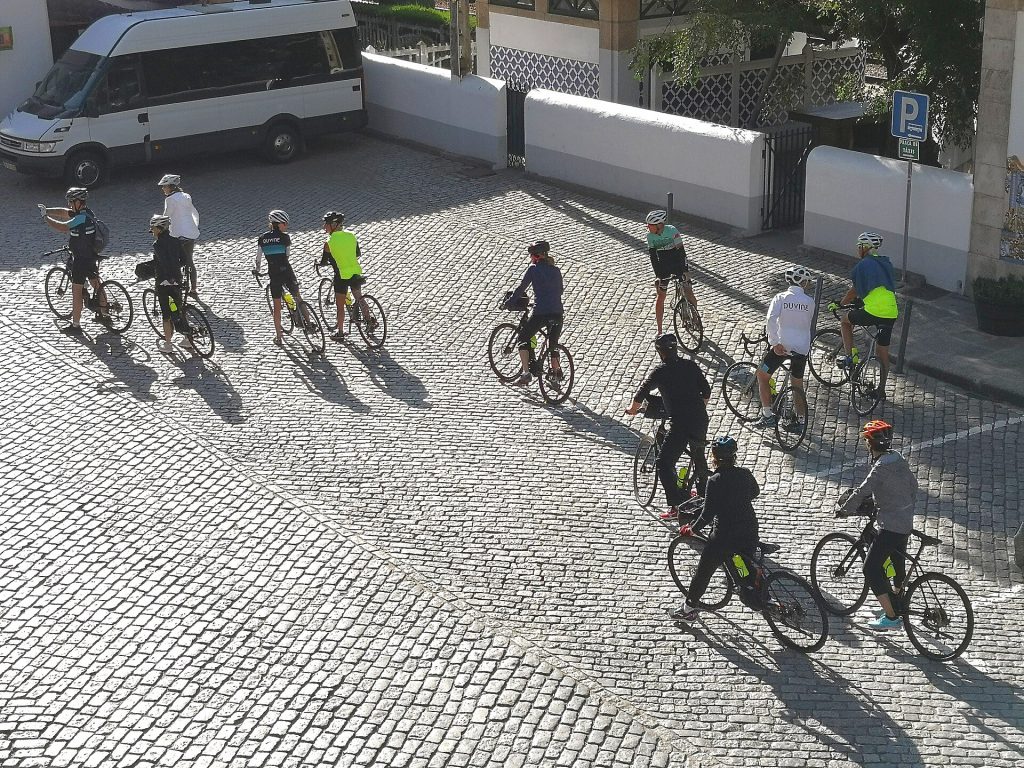
Levine argues that a bicycle places travelers directly inside a landscape. They smell fermenting wine, wet earth, and oak barrels. A vehicle excursion cannot replicate this immersion. The effort involved makes the subsequent comfort more significant. This combination feels particularly relevant for modern luxury consumers who have become adept at finding, consuming, and documenting rare beauty.
Expanding the Market with E-Bikes
Electric bicycles have changed the demographics of DuVine Cycling. The median age of guests has risen from 53 to 59 over the past five years. At the same time, more travelers in their thirties and forties are booking trips. E-bikes allow mismatched riding partners to stay together. One person can tackle steep climbs with motor assistance while another pedals at a leisurely pace.
This technological shift has widened the addressable market without diluting the core product. The physical challenge remains, but the barrier to entry has lowered. Guests can still enjoy the scenery and the physical sensation of movement without being limited by their current fitness levels.
Defensibility Through Relationships
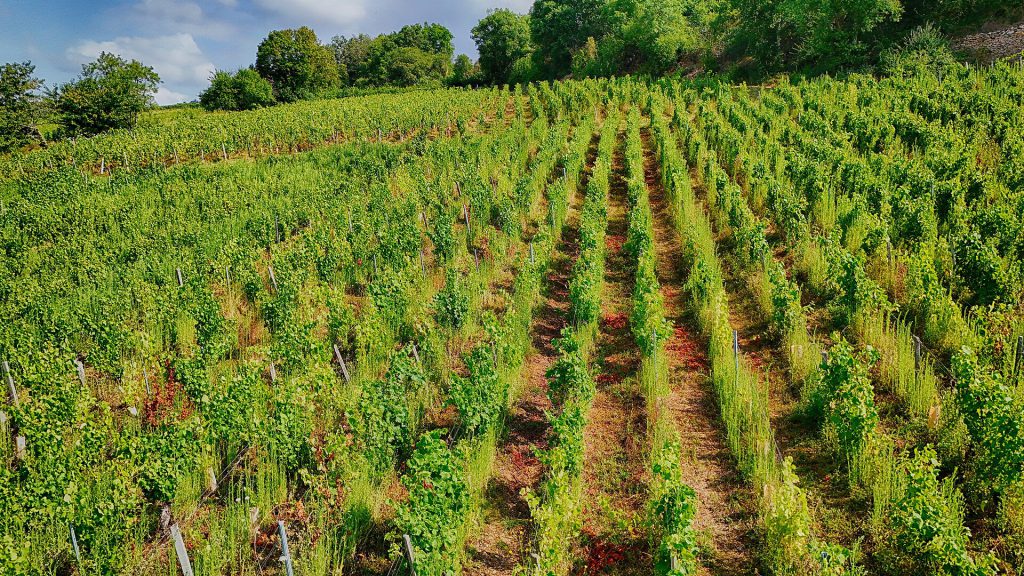
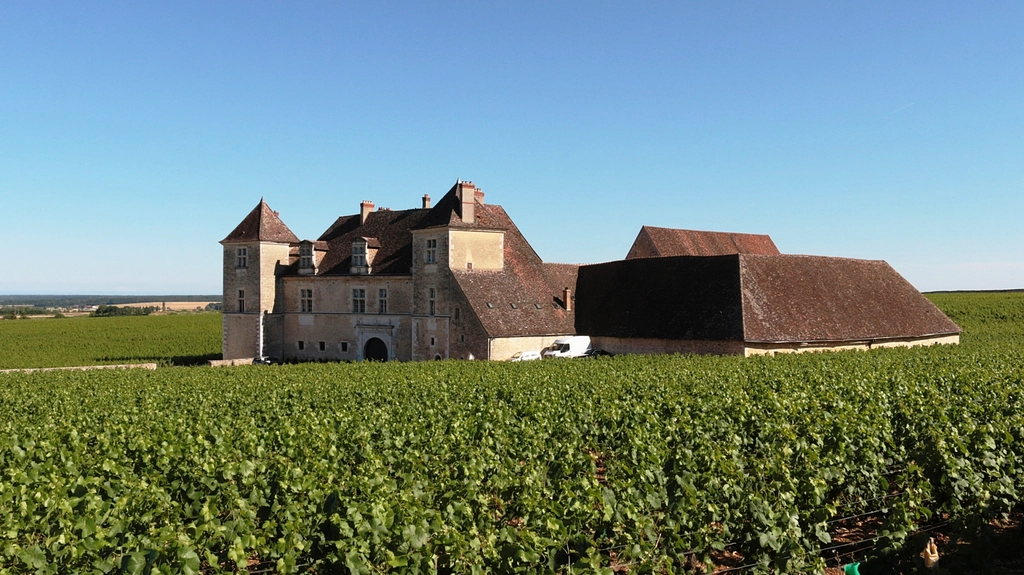
Levine believes the company’s defensibility lies in relationships rather than routes. DuVine personally scouts hotels, restaurants, and vineyards. They employ local guides who understand the nuances of each region. The company internally refers to these unique touches as “BTA” or blow-them-away moments. An example might be a private visit to a countess’s cellar in Burgundy.
Repetition also improves the product. Running trips to Puglia several times a week or Tuscany four times a week teaches guides when to engage and when to disappear. This operational knowledge allows for a seamless experience that feels exclusive and personalized. The operating lesson for luxury hospitality is to strip out tedious friction, such as luggage handling and navigation, while keeping the friction that gives an experience meaning.
Levine’s approach challenges the traditional definition of luxury. It suggests that comfort is not just about insulation from the world, but about engaging with it deeply. The sweat and the hills are not obstacles to the vacation. They are the foundation of the memory.
Source: Skift
