



Patients with a specific high-risk form of bowel cancer remained free of disease recurrence for almost three years after receiving a short course of immunotherapy before surgery, according to new findings from the NEOPRISM-CRC clinical trial. The results, led by researchers at University College London (UCL) and University College London Hospitals (UCLH), suggest this approach may offer more durable control than the standard combination of surgery and chemotherapy.
The data is scheduled for presentation at the American Association for Cancer Research (AACR) Annual Meeting 2026 in April. These latest findings extend earlier results from the same trial, which showed that nine weeks of treatment with the immunotherapy drug pembrolizumab caused significant tumor shrinkage in people with stage two or three bowel cancer.
Zero Recurrence in High-Risk Patients
Initial data from the trial indicated that 59% of patients had no detectable signs of disease after receiving pembrolizumab and undergoing their planned surgery. The latest follow-up data, covering 33 months, shows that none of the patients in the trial experienced a return of their cancer.
This outcome held true for all participants, including those who still had small amounts of disease remaining after the initial treatment. In these cases, the residual cancer did not grow or spread during the follow-up period. This stands in sharp contrast to the standard treatment pathway, where approximately 25% of patients treated with surgery followed by chemotherapy are expected to relapse within three years.
The trial enrolled 32 patients with stage two or three bowel cancer who had a particular genetic profile known as MMR deficient or MSI-high. This genetic makeup affects roughly 10% to 15% of people with stage two or three bowel cancer, equating to approximately 2,000 to 3,000 cases each year in the UK.
Blood Tests Predict Treatment Response
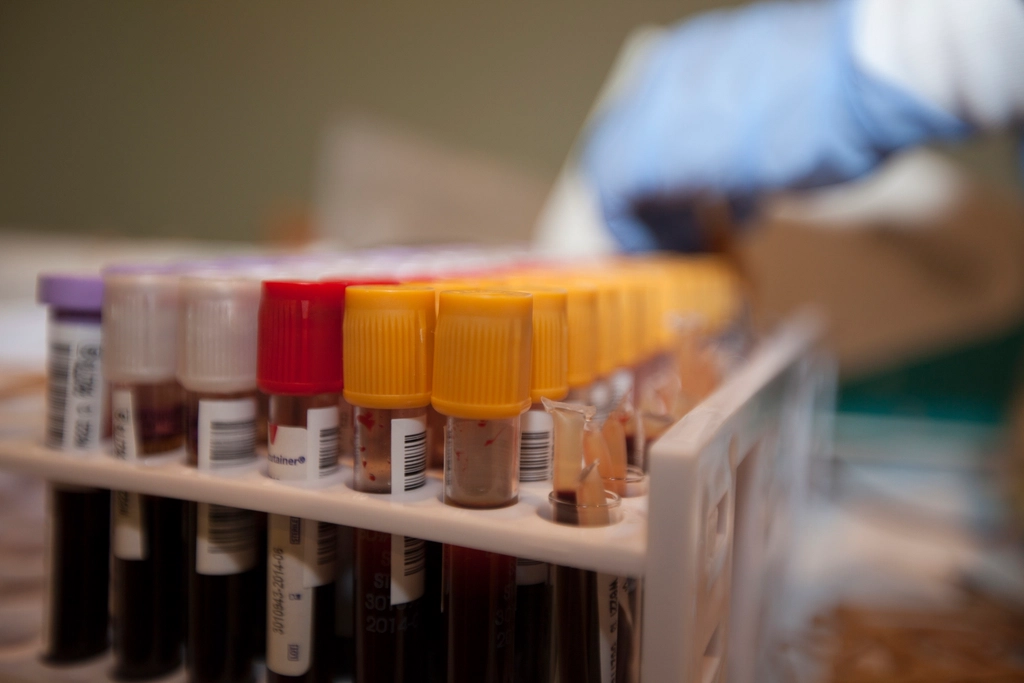
Researchers also analyzed blood samples to understand why the treatment was so effective and to identify biomarkers that could predict which patients would benefit most. They developed personalized blood tests designed to detect early signs of treatment success or the presence of circulating cancer traces.
The study found that changes in tumor DNA in the bloodstream closely mirrored how well patients were responding to the therapy. The disappearance of tumor DNA from the blood was strongly associated with having no cancer remaining after surgery.
Dr. Kai-Keen Shiu, Chief Investigator of the trial from the UCL Cancer Institute, emphasized the significance of these findings. He noted that seeing no cancer recurrence after nearly three years strengthens confidence in pembrolizumab as a safe and effective treatment for high-risk bowel cancers.
“What is particularly exciting is that we now may be able to predict who will respond to the treatment using personalized blood tests and immune profiling,” Dr. Shiu said. “These tools could help us tailor our approach, identifying patients who are doing well and may need less therapy versus patients at higher risk of disease progression who need additional treatment.”
Real-World Impact on Patient Outcomes
The trial involved collaboration between UCL, UCLH, University Hospital Southampton, St. James’s University Hospital in Leeds, and The Christie NHS Foundation Trust in Manchester. Translational research was conducted by UCL and biotechnology company Personalis.
Professor Marnix Jansen, a clinician scientist leading the translational research, stated that the results confirm the durability of responses seen earlier and provide biological insights into the effectiveness of immunotherapy in this setting.
Christopher Burston, a 73-year-old patient from Portland, Dorset, participated in the trial after being diagnosed with stage three bowel cancer in February 2023. He received three doses of immunotherapy over nine weeks before undergoing surgery in May 2023. Burston reported few side effects and a smooth recovery.
“The outcome of the surgery was essentially that the cancer had melted away, these were the doctor’s words,” Burston said. “The immunotherapy had had an almost immediate effect.” More than three years later, he remains cancer-free and has returned to his normal activities.
Bowel cancer is the fourth most common cancer in the UK, with roughly 44,000 new cases diagnosed annually. While outcomes are generally better when the disease is detected early, survival rates drop significantly for advanced stages. Five-year survival stands at 65% for stage three disease and just 10% for stage four.
The ongoing trial continues to monitor participants to further validate these long-term outcomes and refine the use of personalized blood tests in clinical practice.
Source: ScienceDaily
