


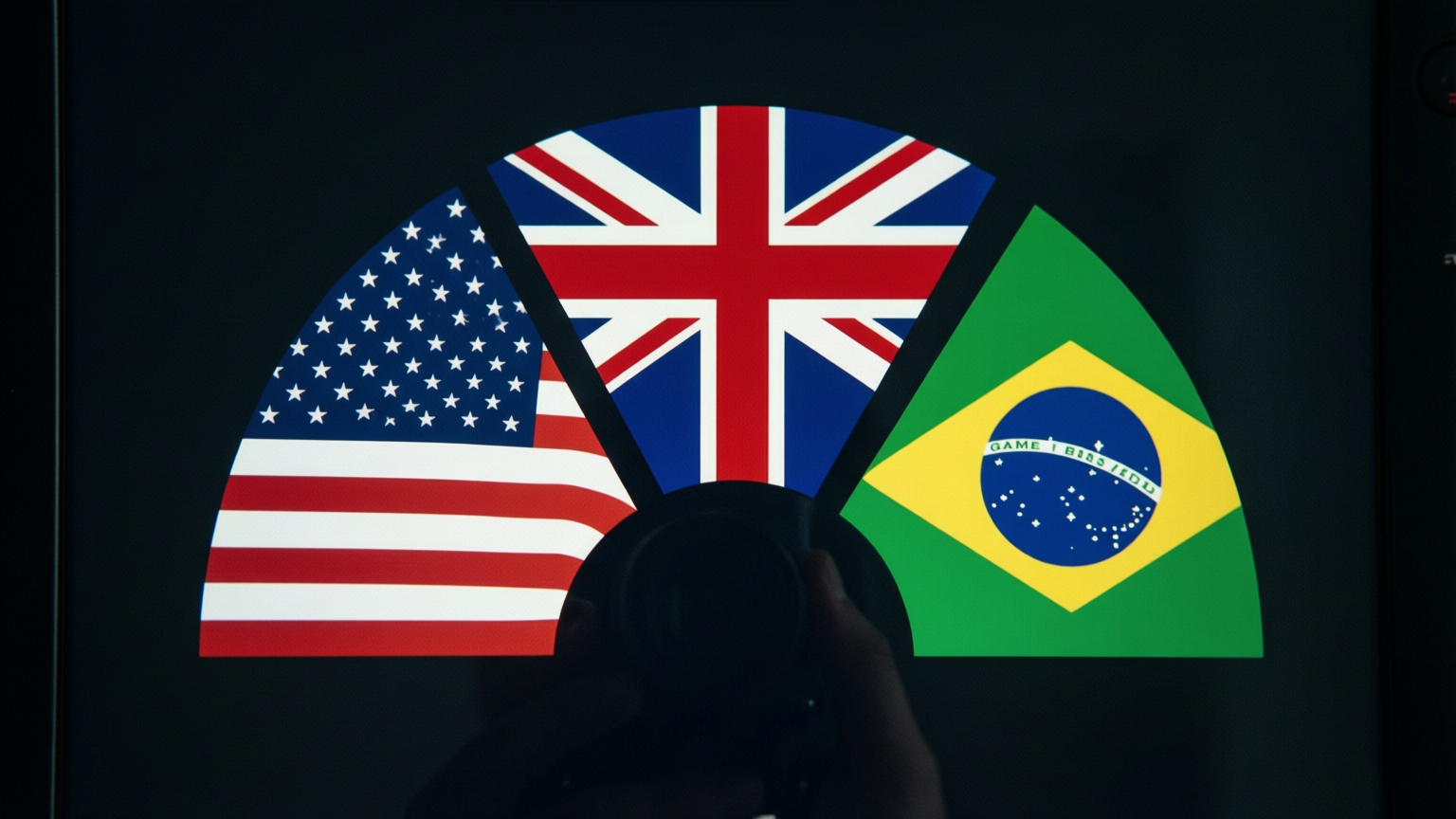
The era of American dominance in The Game Awards voting has officially ended. The organization released the composition of the 2026 jury this week, revealing a dramatic reduction in the number of American media outlets participating in the selection process. This change marks a significant departure from the historical trend where U.S. publications held a commanding lead over all other nations.
U.S. and U.K. Tie for First Place
For the first time since the awards began in 2014, the United States no longer holds the largest share of votes on its own. The 2026 jury now includes just 17 American outlets, a sharp decline from the 24 seats held by U.S. media in both 2024 and 2025. This drop brings the American count in line with the United Kingdom, which has increased its representation from 14 to 17 seats. The U.K. has long been the second-largest voting bloc, but this year it has finally matched the U.S. for the top spot.
The total jury size remains large, comprising more than 130 members. While the U.S. previously maintained a buffer of at least 10 more votes than any other single country, that margin has now vanished. The shift suggests a broader internationalization of the awards, a trend that has been building for years as the jury expanded beyond its initial Anglophone core.
Brazil and Europe Gain Ground
The most notable challenger to the traditional U.S.-U.K. duopoly is Brazil. The South American nation has added four outlets to its voting bloc, bringing its total to 14 votes. This places Brazil just behind the British and American delegations, signaling a growing influence from Latin America in global gaming recognition. Latin American countries as a whole now account for approximately 21 percent of the entire jury.
Mainland Europe has also consolidated its position. Following a significant increase in jury membership last year, European outlets now make up 27 percent of the voting body. This figure closely rivals the 28 percent held by the broader Anglophone bloc, which includes the U.S., U.K., Canada, and Australia. Meanwhile, the influence of East and Southeast Asia has seen a slight decline, with China holding just three votes.
Mass Exodus of Mainstream Media
The sharp drop in American representation is largely due to a mass departure of mainstream, lifestyle, and technology publications. Major outlets including Entertainment Weekly, Esquire, Inverse, Rolling Stone, The Atlantic, Wirecutter, and Wired have all left the jury. The reasons for this exodus are not explicitly stated, though it may reflect broader challenges in the media landscape or a deliberate restructuring by the awards organizers.
This change in jury composition coincides with a shift in the types of games that tend to win. Since 2020, no American game has won the Game of the Year award. The winners have come from Sweden, Belgium, France, and Japan. The international jury appears to favor role-playing games and family-friendly titles over the glossy action-adventure blockbusters that often dominate American media coverage.
GTA 6 Eligibility and Future Winners
The 2026 awards also confirmed the eligibility cutoff date, allowing Grand Theft Auto 6 to qualify for consideration. Rockstar Games, headquartered in New York, has developed the title with significant input from American studios in San Diego and Los Angeles. However, the lead development studio, Rockstar North, remains in Edinburgh, Scotland.
As the jury becomes more diverse, the criteria for winning may continue to evolve. The decline of American media influence could further reduce the likelihood of U.S.-centric titles winning the top prize. The next Game of the Year winner may well come from a region that has traditionally been underrepresented in the awards, with Brazil emerging as a potential source of future champions.
Source: Polygon
