


Medications designed to treat inflammation and autoimmune diseases may carry an unexpected risk. Researchers at the Norwegian University of Science and Technology (NTNU) have discovered that a common class of anti-inflammatory drugs can make it easier for certain viruses to infect cells and spread throughout the body.
The findings, published in NAR Molecular Medicine, focus on Janus kinase inhibitors, known as JAK inhibitors. These drugs are widely prescribed to manage conditions such as rheumatoid arthritis by controlling inflammation. However, the study indicates that their mechanism of action may also suppress critical immune responses that normally protect healthy tissue from viral attacks.
Disruption of Immune Signaling Pathways
Denis Kainov, a professor at NTNU’s Department of Clinical and Molecular Medicine, described the discovery as a surprising and potentially serious side effect. The research team found that JAK inhibitors reduce the activity of genes involved in fighting viral infections. This suppression interferes with the body’s natural antiviral defenses, creating an environment where viruses can establish infections more readily.
Erlend Ravlo, a PhD research fellow and first author of the study, explained that the drugs suppress an important immune signaling pathway. This pathway plays a central role in coordinating the body’s response when viruses attempt to infect healthy tissue. Without this usual defensive response, the viruses face less resistance as they move between cells.
The study identified several viruses that may be affected by this mechanism. These include Rift Valley fever virus, influenza A, adenovirus, and SARS-CoV-2, the virus responsible for COVID-19. The researchers noted that these viruses can cause significant illness, making any treatment that potentially increases their ability to spread a serious concern for public health.
Testing Across Multiple Tissue Types
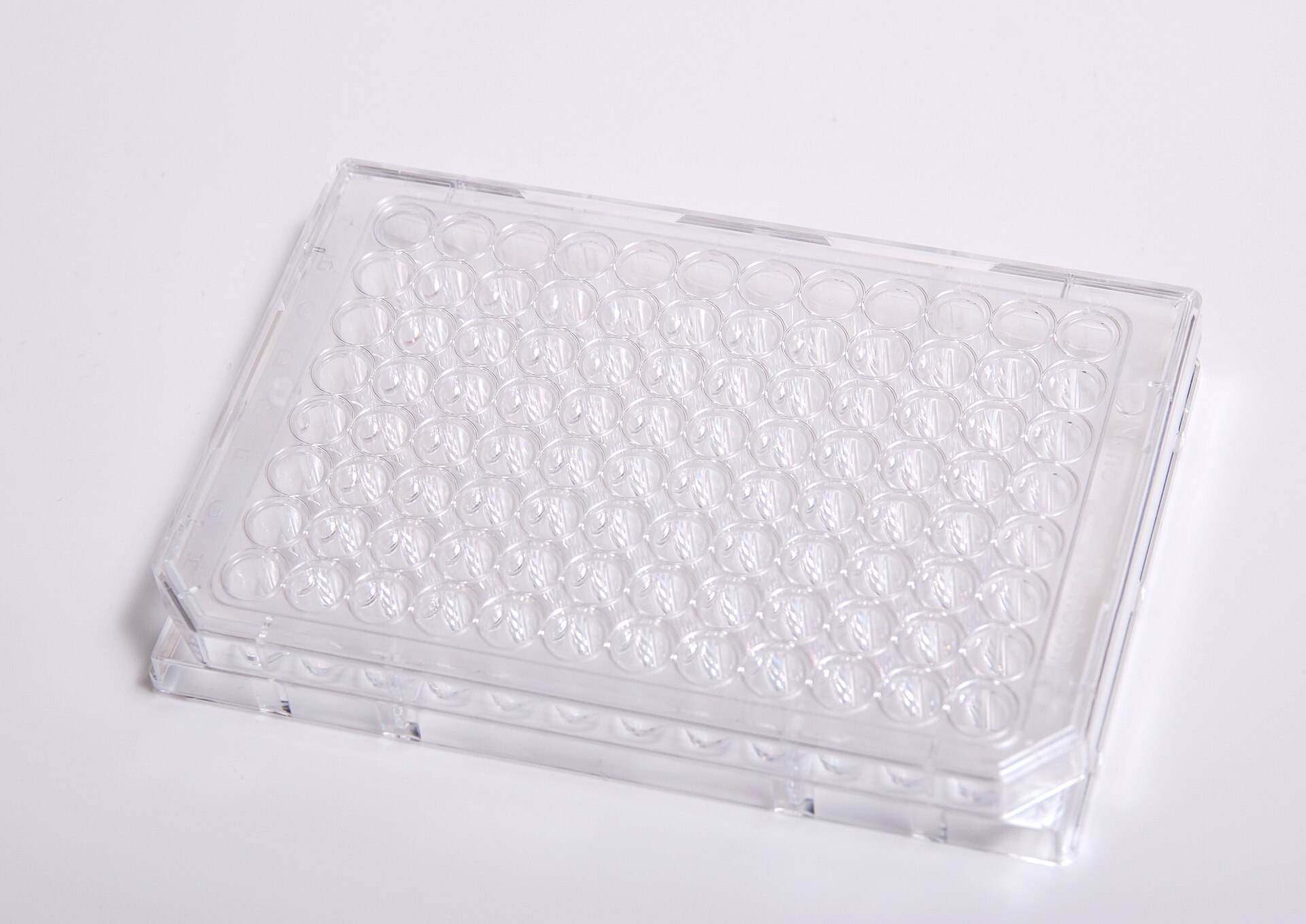
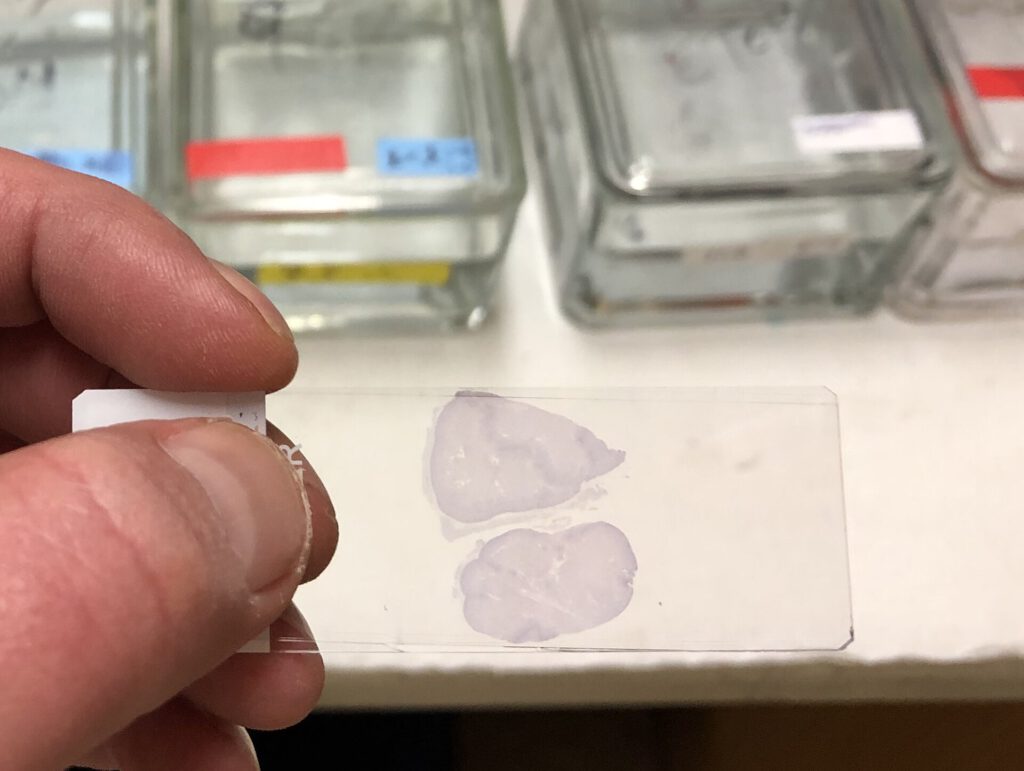
To investigate these effects, the scientists combined advanced virology methods with gene expression analysis and organoid technology. Their experiments included cells from the lungs, eyes, and brain, along with miniature organ models grown in the laboratory. These approaches allowed the team to examine how the drugs affect antiviral defenses across different types of human tissue.
Aleksandr Ianevski, an NTNU researcher and coauthor of the paper, emphasized the importance of the genes targeted by these medications. When JAK inhibitors interfere with this immune signaling system, they weaken an important layer of antiviral protection. The results highlight the need for careful consideration of the risks associated with JAK inhibitors, particularly when patients may already have a viral infection or when outbreaks are occurring.
Ravlo warned that the drugs can pose a hidden risk for patients with latent or active viral infections. The researchers suggest that healthcare professionals should exercise caution when prescribing these medications during periods of increased viral transmission. This caution is especially relevant given the widespread use of JAK inhibitors for chronic inflammatory conditions.
Despite the risks, the same immune-suppressing properties that create potential dangers for patients could offer advantages in certain research settings. Under controlled laboratory conditions, these effects may help scientists develop vaccines or evaluate potential antiviral medications. The researchers hope their findings will encourage greater awareness of how JAK inhibitors influence the immune system and support further investigations into their safest and most effective uses.
Ianevski recommended further studies to better understand how the drugs can be used optimally, especially during virus outbreaks or pandemics. The study was supported by the Central Norway Regional Health Authority, the South-Eastern Norway Regional Health Authority, the Research Council of Norway, and the Swedish Research Council. Professor Magnar Bjørås provided significant scientific expertise and secured most of the funding for the research.
Source: ScienceDaily
