


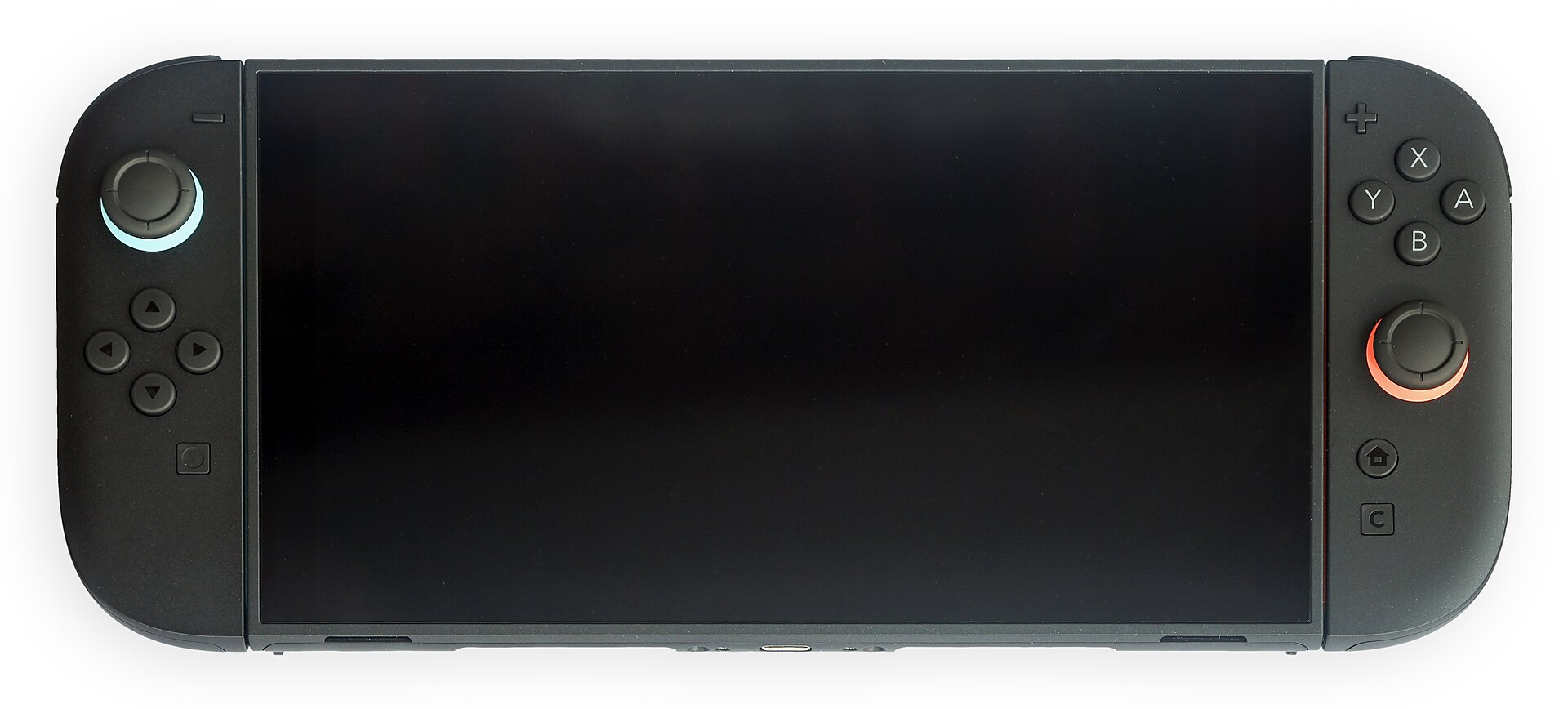
Nintendo hardware launches often rely on a flagship Mario platformer to anchor the system, but this pattern has not always held true. While the Super Nintendo and Nintendo 64 both debuted with iconic entries in the series, the GameCube broke the mold. Super Mario Sunshine did not arrive until July 2002, nearly a year after the console launched in September 2001. Instead, the system found its identity with Luigi’s Mansion, a title that placed the usually timid plumber in the role of a paranormal investigator.
A Different Kind of Adventure
The game casts players as Luigi, who must explore a haunted mansion to rescue his brother Mario. This premise allowed Nintendo to create a unique experience within a familiar universe. The gameplay centers on exploration and combat against various ghosts, a stark contrast to the high-speed platforming seen in other Nintendo titles. Luigi is not a natural hero; he is frightened by the supernatural, yet he proceeds because his brother is in danger.
Central to this adventure is the Poltergust 3000, a vacuum-like device created by the eccentric Professor E. Gadd. This tool serves as both a weapon and a utility, allowing Luigi to capture ghosts and interact with the environment. The mechanic draws clear inspiration from pop culture icons like Ghostbusters, but it is adapted to fit the game’s specific tone. Players must locate ghosts before they can attempt to capture them, adding a layer of strategy to the combat.
Tension Without Terror
Luigi’s Mansion occupies a unique space in the horror genre. It shares structural similarities with survival horror titles like Silent Hill 2, particularly in its room-by-room exploration and the dread of entering unknown spaces. However, the game deliberately avoids the disturbing content found in more mature horror games. The ghosts are colorful and their attacks are less personal, creating a tension that is thrilling rather than terrifying.
Failure in the game is not punishing. When Luigi is caught by a ghost, the experience feels more like a stumble in a fun house than a traumatic event. This design choice makes the game accessible to a wider audience while still maintaining a sense of mystery and excitement. As players progress, they encounter more powerful spirits, some of which hide in portraits or wander the halls. Capturing these enemies requires preparation, such as using a flashlight to stun them before using the Poltergust.
Hardware Showcase and Legacy
The original release served as a technical showcase for the GameCube. While the core concept could have potentially worked on the Nintendo 64, the GameCube’s ability to render dynamic lighting and deep shadows was crucial to the atmosphere. The interplay of light and dark is not just an aesthetic choice; it is a gameplay mechanic that defines the experience. Luigi’s personality also stood out, offering a level of character depth that was less common in Nintendo games at the time.
The game’s success led to two expanded sequels and a port for the Nintendo 3DS. Today, the original title is available on the Switch 2 through the Nintendo Switch Online + Expansion Pack subscription. This accessibility allows a new generation of players to experience the game that helped define the GameCube’s identity. For those looking to engage with seasonal themes, the game offers a spooky yet family-friendly experience that remains relevant decades after its release.
Source: Polygon
