


Online influencers and advertisers frequently promote mushroom supplements as a cure-all for aging, low energy, and poor focus. These products, often derived from fungi like lion’s mane and reishi, are marketed as natural alternatives to conventional medicine. However, the scientific community maintains that robust clinical trials proving these specific health benefits are largely lacking.
Julie Daoust, vice president of science and innovation at Monterey Nutra, notes that mushrooms share more biochemistry with humans than plants do. This similarity suggests a higher potential for finding bioactive compounds in fungi. Her company focuses on cultivating functional mushrooms, avoiding poisonous or psychedelic varieties, to extract useful molecules for health products.
Limited Evidence for Cognitive and Immune Claims
While traditional medicine in parts of Asia has used mushrooms for generations, modern dietitians caution that historical use does not guarantee safety or efficacy. Abby Langer, a registered dietitian in Toronto, states that there is currently little evidence supporting the broad claims made for functional mushrooms. She emphasizes that mushrooms can accumulate materials from the ground they grow in, including potential contaminants, which requires careful sourcing.
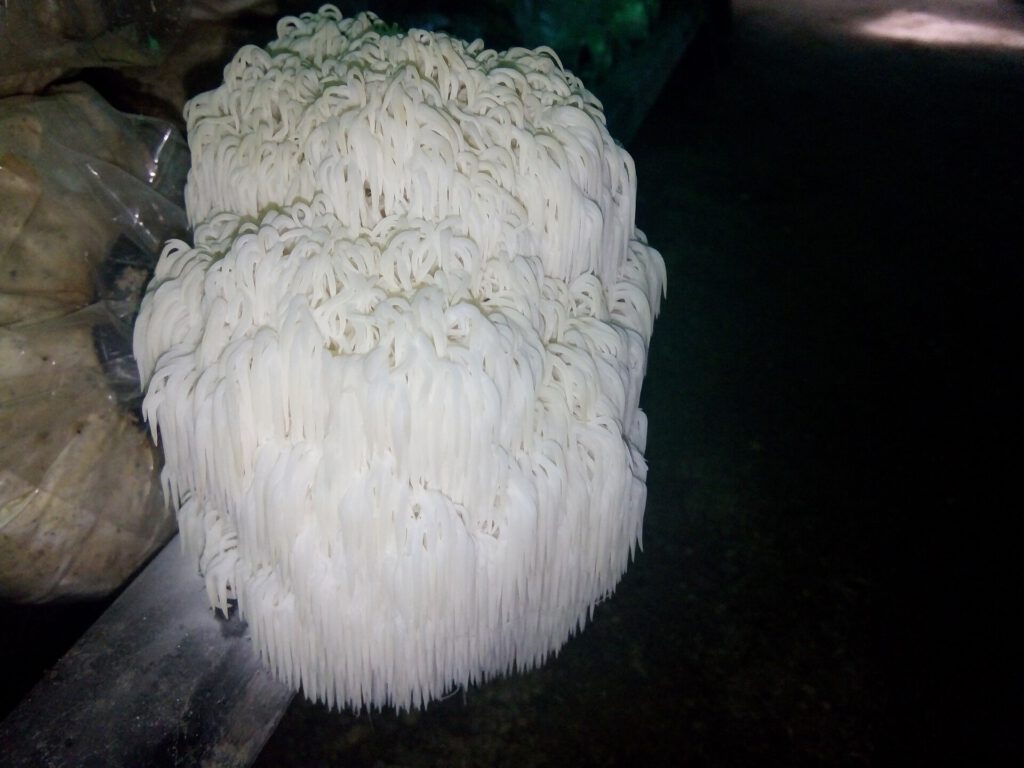
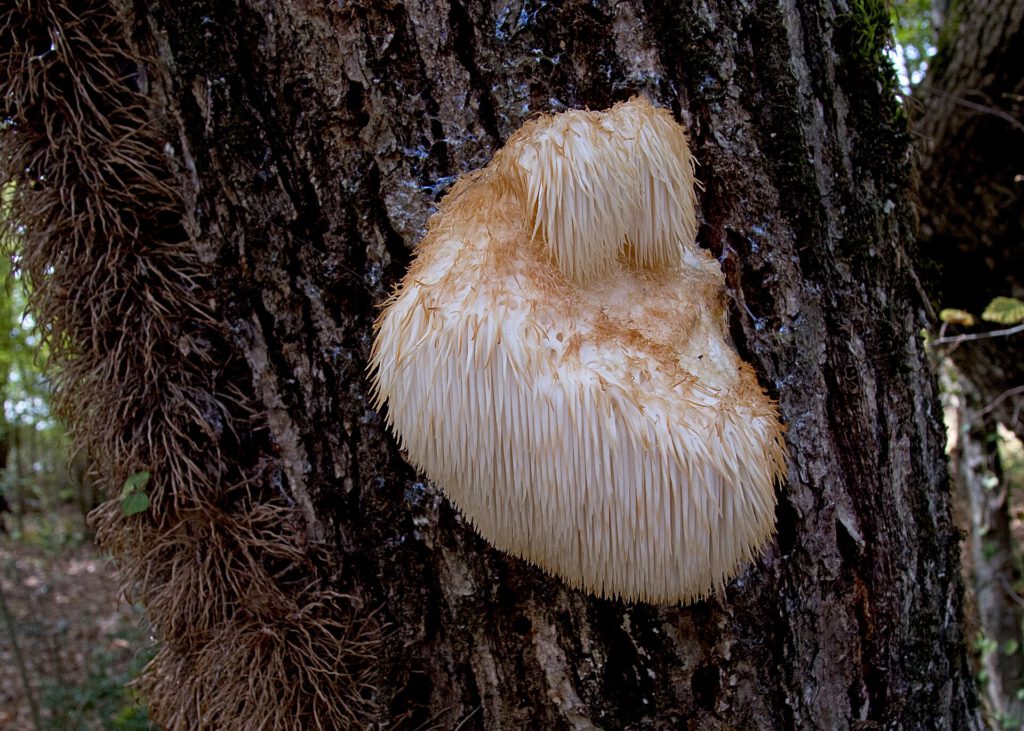
Research into specific benefits shows mixed results. Some studies suggest lion’s mane may aid cognition, while others find no significant impact. Similarly, reishi and turkey tail are often touted for immune support, but the data is not yet conclusive enough to recommend them as standard treatments. Langer advises patients to prioritize basic nutrition, such as increasing fiber and protein intake, before turning to supplements.
Turkey Tail Extract Shows Promise in Cancer Care
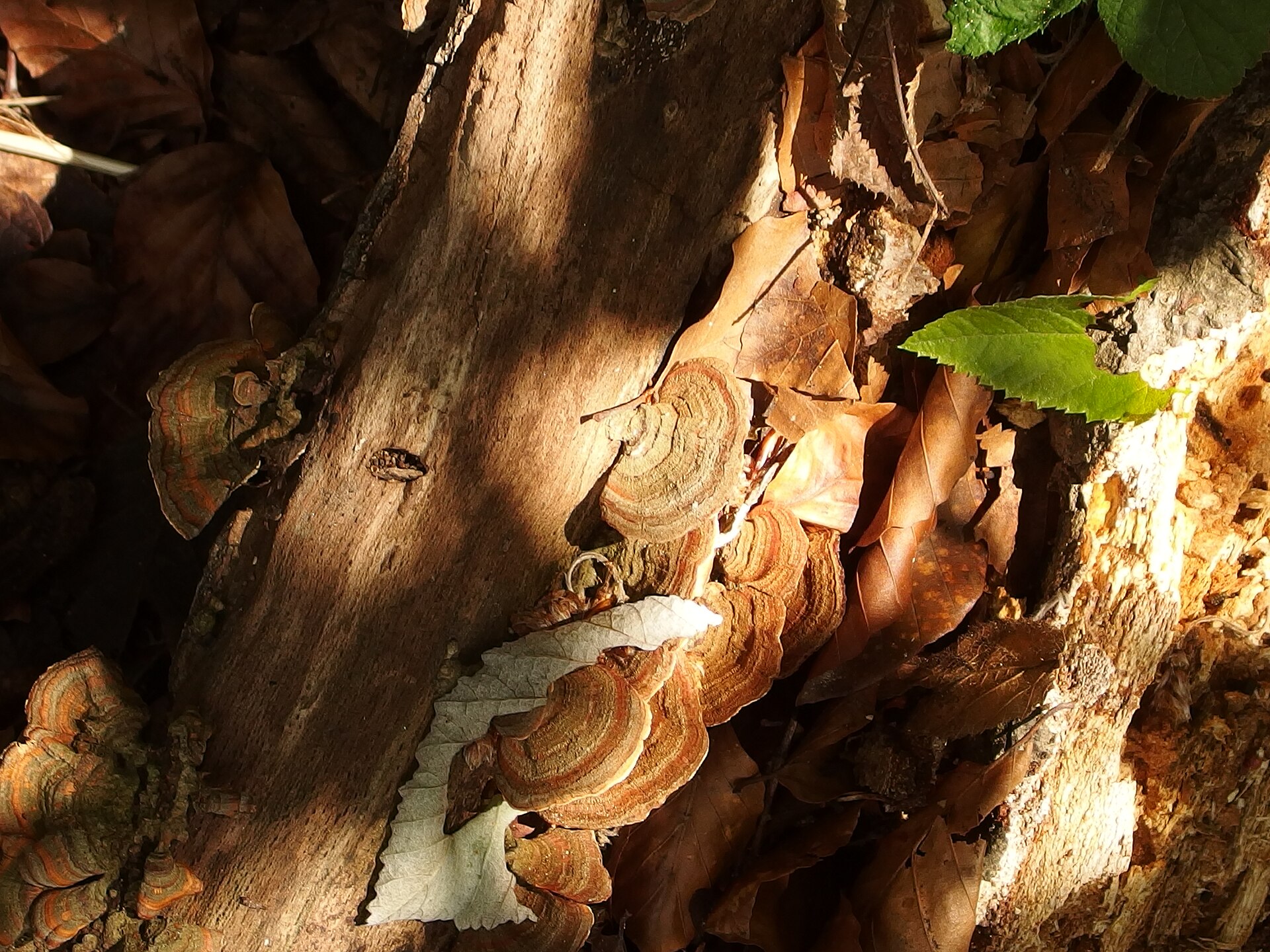
One area where research has yielded more concrete data involves turkey tail extract. PSK, a purified compound from turkey tail mushrooms, has been studied extensively in Japan. A meta-analysis of over 8,000 patients undergoing surgery and chemotherapy for gastric tumors found a 12% reduction in the risk of death for those who also received PSK.
Santhosshi Narayanan, an integrative oncologist at the University of Texas MD Anderson Cancer Center, acknowledges these findings but warns against viewing mushrooms as a standalone cure for cancer. Her team reviewed thousands of studies and found that while many showed improved quality of life or reduced side effects from chemotherapy, the biological effects on the immune system remain complex. She notes that results may vary across different genetic populations and treatment regimens.
Despite the growing interest, Narayanan states there is not yet enough evidence to support the routine clinical use of mushroom supplements in cancer treatment. The scientific community continues to call for more rigorous studies to determine which patients might benefit from specific fungal extracts and to establish safe dosing guidelines.
Source: NPR
