


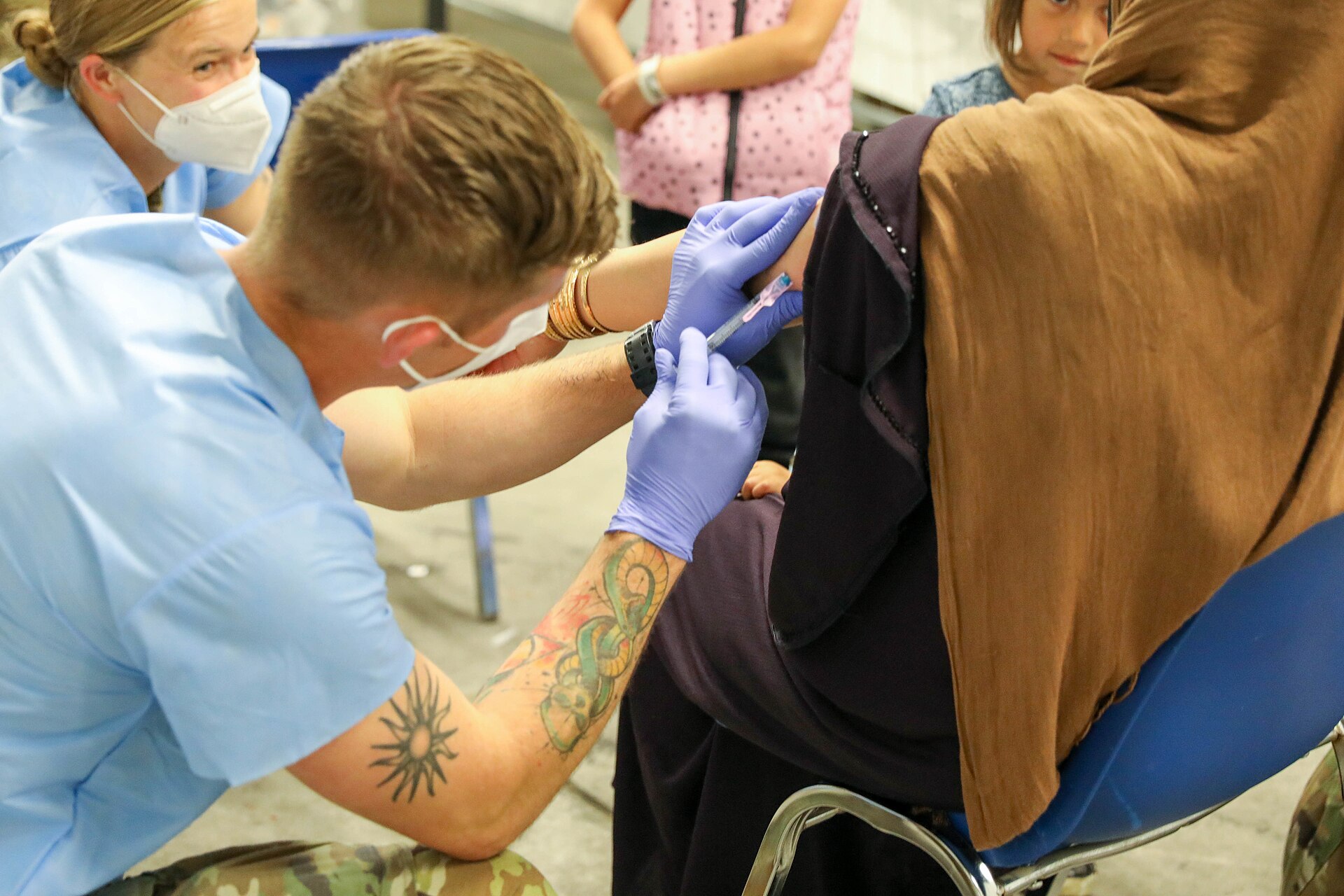
The United States has lost its measles elimination status after more than 25 years, a major setback in public health efforts to control the highly contagious disease. The Pan American Health Organization confirmed the change on November 17, 2026, ending a designation the country held since 2000. That status required no continuous local transmission of the virus for at least 12 months.
The loss of this status coincides with the worst measles resurgence in decades. According to the Centers for Disease Control and Prevention, the U.S. recorded 5,412 confirmed cases in 2026 as of November 12. This figure is more than double the 2,290 cases reported throughout all of 2025.
Widespread Vaccine Misinformation
A new nationwide survey from the Annenberg Public Policy Center highlights significant gaps in public knowledge regarding measles and its prevention. The research indicates that many Americans remain confused about the dangers of the disease and the safety of the vaccines that protect against it.
The November 2026 Annenberg Science and Public Health survey found that nearly two-thirds of Americans correctly rejected the false claim that childhood vaccines cause autism. However, 17% of respondents believed the claim was true, and another 19% were unsure. These results align with previous surveys conducted between September 2024 and August 2026, which showed consistent levels of uncertainty and misinformation.
When asked to compare autism rates between fully vaccinated and unvaccinated children, 49% of respondents believed both groups were equally likely to show signs of autism. Another 11% thought vaccinated children were more likely to be affected, while 14% believed they were less likely. A quarter of participants could not answer the question.
Extensive scientific research has found no evidence linking vaccines to autism. The National Academy of Medicine concluded in 2004 that epidemiological evidence rejects a causal relationship between the MMR vaccine and autism. The World Health Organization reaffirmed this conclusion in 2025, stating that high-quality evidence does not support a link.
Gaps in Measles Knowledge
The survey also uncovered significant uncertainty about the risks of measles itself. Most Americans appeared unsure about the death rate associated with the disease in children. When asked to estimate the number of children who die from measles, 59% said they did not know. Only 9% selected the correct response, which is about 1 in 1,000. This matches the CDC’s estimate that 1 to 3 of every 1,000 infected children die from respiratory or neurological complications.
Knowledge about the vaccination schedule was also limited. Almost half of Americans were unsure how many doses children need for full protection. Only about one-third correctly identified the recommended two-dose schedule. The CDC advises giving the first MMR dose between 12 and 15 months of age, followed by a second dose between ages 4 and 6. One dose provides 93% protection, while two doses increase effectiveness to 97%.

Public trust in health communications remains a point of contention. The survey examined confidence in U.S. Health and Human Services Secretary Robert F. Kennedy Jr. About 61% of respondents said they were not confident in his public health information, while 39% expressed confidence. These figures are consistent with surveys conducted over the past two years.
Kathleen Hall Jamieson, director of the Annenberg Public Policy Center’s Science of Science Communication Institute, stated that the loss of elimination status demonstrates the consequences of declining vaccination coverage. She noted that those who refused the MMR vaccine or were misled into doing so have produced the tragic effects that science predicted when community immunity drops below the necessary threshold.
The findings draw on two types of Annenberg Science and Public Health surveys. The November 2026 results come from a nationally representative survey of 1,028 U.S. adults conducted by SSRS. The margin of sampling error is 3.5 percentage points at the 95% confidence level. Additional data comes from the ongoing ASAPH panel surveys, which have completed more than 30 waves since April 2021.
Source: ScienceDaily
