


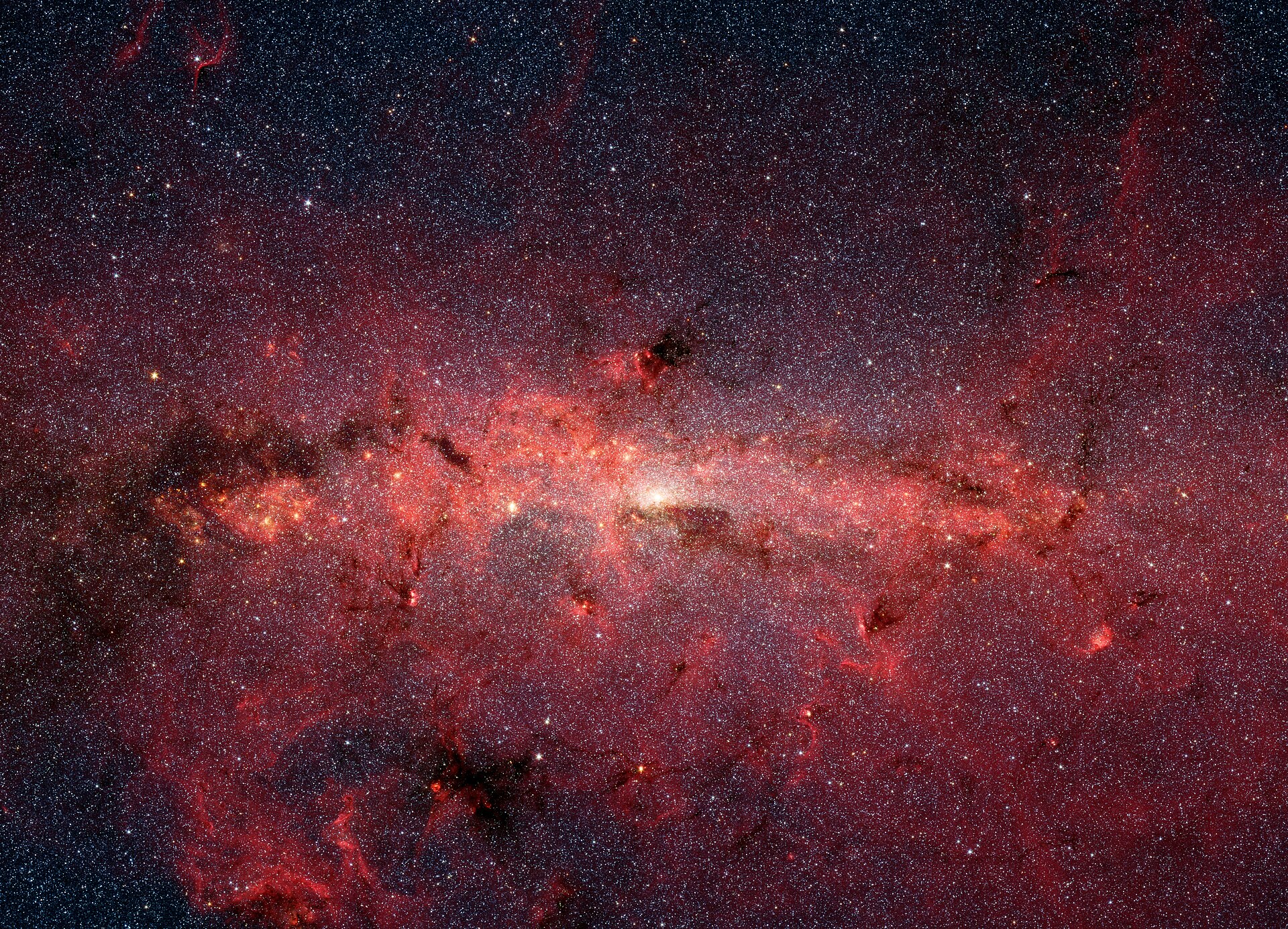
Astronomers have identified a surprising mechanism driving star birth in the Milky Way, challenging long-held assumptions about our galaxy’s structure. According to a new study published in Nature Astronomy, the Milky Way produces stars along the shock waves of its central galactic bar, a feature that typically suppresses star formation in other galaxies.
Lead author Dr. Hillary Davis, who recently completed her PhD at the University of Sydney, led the research that links these intense shock fronts to the creation of new stars. The findings suggest that the Milky Way behaves differently from most of its barred spiral neighbors, where such violent forces usually prevent gas from collapsing into stars.
Norma Arm Reinterpreted as Bar Shock Front
The discovery casts doubt on the nature of the Norma spiral arm, a feature named for the constellation visible from Earth. Dr. Davis noted that masers, which are natural microwave emitters associated with massive star formation, align closely with the shock front predicted by computer simulations.
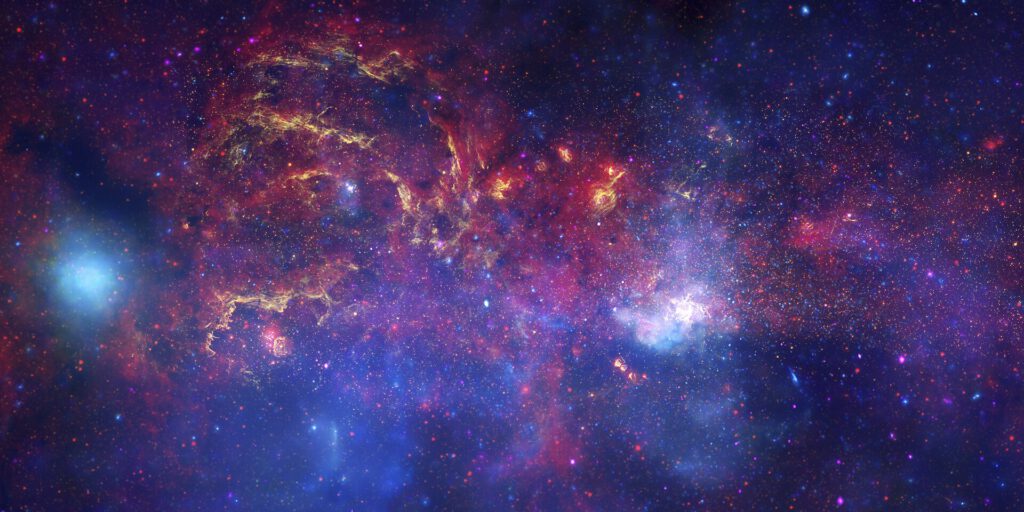
“We found that masers previously associated with the Norma arm closely align with the shock front predicted by our simulations,” Dr. Davis said. “This suggests that at least part of the so-called Norma arm may not be a spiral arm at all, but a region of star formation along the leading edge of the Galactic bar.”
This reinterpretation implies that some star formation previously attributed to the Norma arm is actually occurring along the central bar. If confirmed, this would change how astronomers understand the arrangement of stars and gas in this part of the galaxy.
Constraints on Galactic Bar Dimensions
The research also provides new constraints on the physical properties of the galactic bar, a structure that has been difficult to measure due to cosmic dust and our position inside the galaxy. By comparing large-scale computer simulations with astronomical observations, the team determined that the bar extends approximately 4.3 kiloparsecs, or about 14,000 light-years, from the galactic center.
These measurements support a model of the Milky Way containing a relatively long bar that rotates slowly. Dr. Davis explained that the bar’s gravity drives gas into powerful shock fronts, compressing it in a way that triggers star birth on a massive scale.
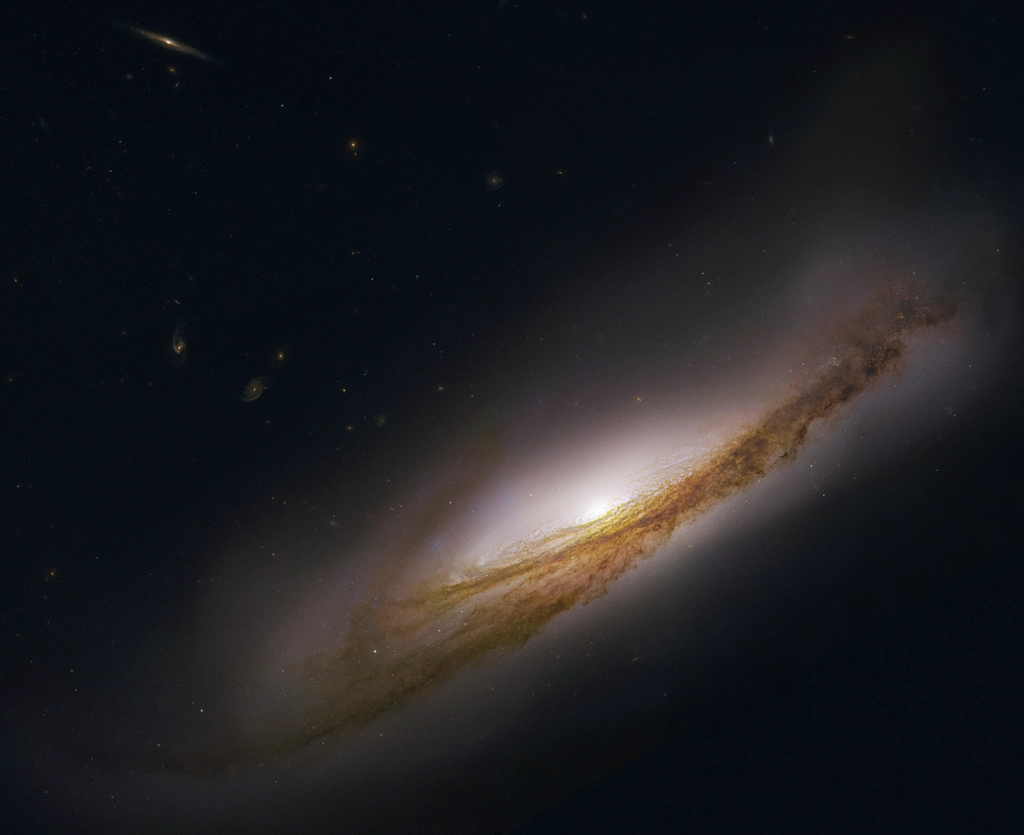
“At its heart, star formation is a process we understand from everyday physics. Forces set matter in motion. In this case gas is compressed, and that compression can create the conditions for new stars to be born on a massive scale,” Dr. Davis said.
The study highlights the value of using sophisticated simulations to investigate regions obscured by dust. The authors reported no competing interests, with funding provided by the Australian Research Council and several Swedish institutions.
Source: ScienceDaily
