


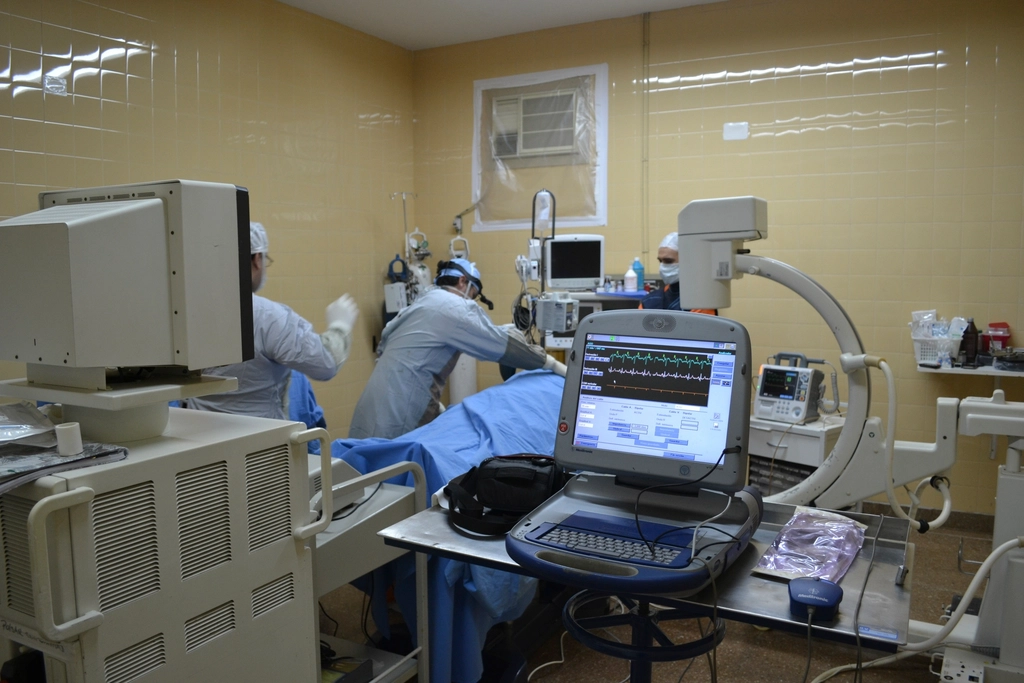
The world’s largest clinical study on robotic knee replacement has found that the technology does not improve patient outcomes compared to traditional surgery. The RACER-Knee trial, coordinated by the University of Warwick and University Hospitals Coventry and Warwickshire (UHCW) NHS Trust, published its findings in The Lancet. Researchers concluded that while the robotic system allows for greater surgical precision, this accuracy does not translate into less pain, better mobility, or faster recovery for patients within the first year.
RACER-Knee trial outcomes and safety
The study involved 339 patients treated by 33 surgeons across 10 hospitals in the UK. Participants were randomly assigned to receive either a conventional total knee replacement or a procedure assisted by the Stryker Mako robotic system. The Mako system is currently the most widely used robotic technology for this type of surgery globally.
Twelve months after the operation, patients in both groups reported comparable levels of pain and functional ability. The primary measure of success, known as the Forgotten Joint Score, showed no meaningful difference between the two groups. This score assesses how often patients notice their artificial joint during daily activities, with a lower score indicating a more successful integration of the implant into the patient’s life.
Researchers also monitored other metrics, including walking ability, pain during hospitalization, and the need for further operations. All measures showed similar results for both surgical methods. The trial also found no increased risk of serious adverse events associated with the robotic assistance, indicating that the procedure is as safe as the conventional approach.
Professor Andrew Metcalfe, a consultant orthopedic surgeon at UHCW NHS Trust and co-lead of the trial, stated that the results are an important step in evaluating new medical technologies. He noted that while the technology is being used globally at scale, there is still work to be done before patients see benefits such as reduced pain or improved movement.
Cost and future research directions
Despite the lack of immediate patient benefit, the trial highlighted significant differences in cost and time. Operations performed with robotic assistance required an average of 10.5 minutes longer than standard procedures. The additional cost per procedure was approximately 950, which the researchers noted made the technology not cost-effective under current NHS spending thresholds for the first year of recovery.
The trial was funded by the National Institute for Health and Care Research (NIHR) in partnership with Stryker, the manufacturer of the robotic equipment. Stryker covered the additional expenses associated with performing robotic surgery during the study but did not participate in analyzing or interpreting the results.
Professor Edward Davis, a consultant orthopedic surgeon at The Royal Orthopaedic Hospital NHS Foundation Trust, suggested that the current results do not condemn the technology. He argued that better understanding of the ideal position for a knee replacement and greater personalization for each patient is needed to truly take advantage of the system’s precision.
Researchers plan to monitor the participants for ten years to determine if differences emerge over a longer period. A key question for future analysis is whether robotic assistance reduces the number of patients who eventually require additional knee surgery. The study provides evidence that while robotic technology is safe, further development is required to turn technical accuracy into meaningful clinical improvements.
Source: ScienceDaily
