


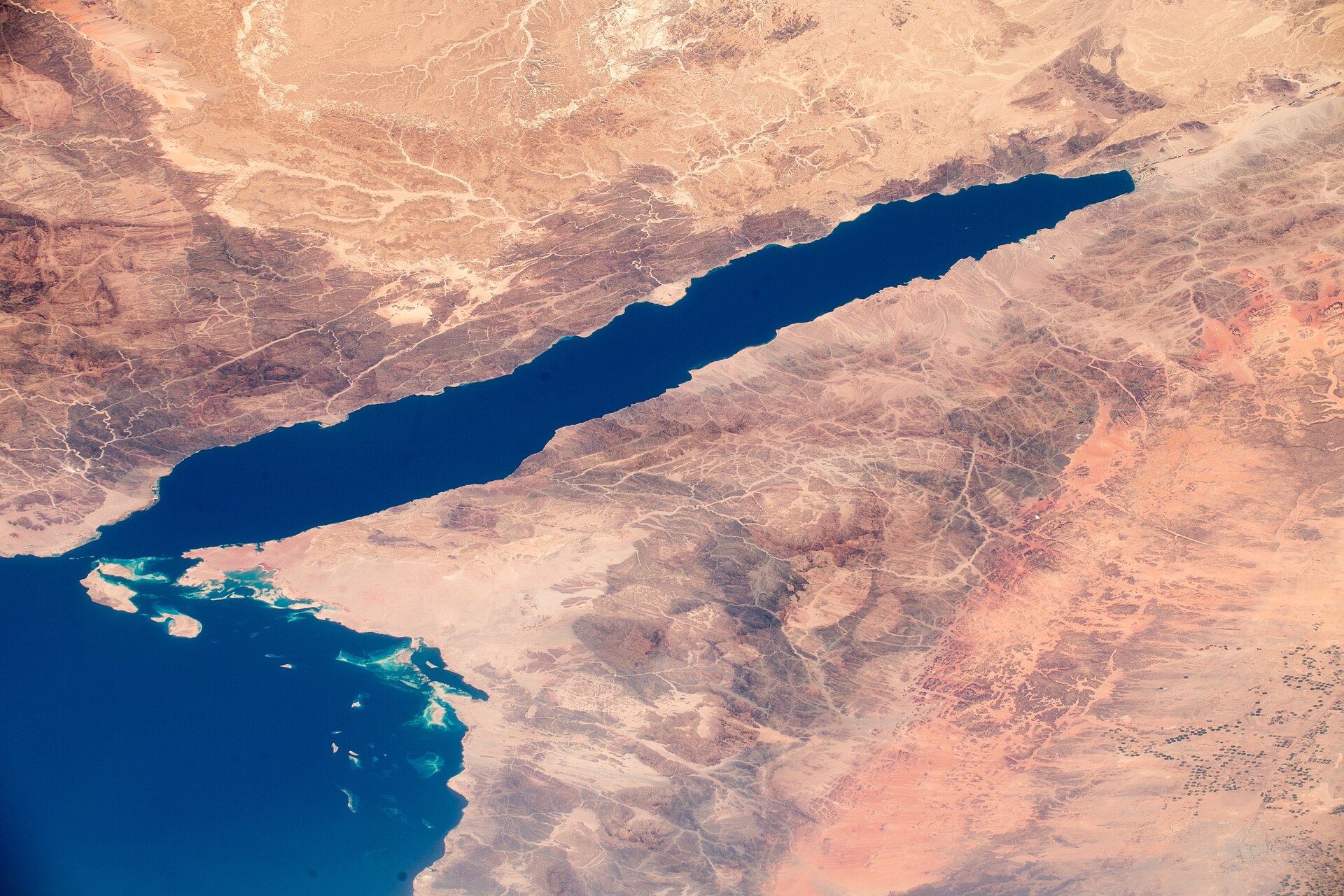
Scientists have identified rare deep-sea brine pools in the Gulf of Aqaba, a northern extension of the Red Sea. The discovery was made by researchers from the University of Miami Rosenstiel School of Marine and Atmospheric Science in collaboration with OceanX. These underwater lakes sit more than a mile below the surface, presenting an environment that challenges our understanding of habitable zones.
The team located the pools at a depth of 1,770 meters using a remotely operated underwater vehicle. The ROV was deployed from the OceanXplorer, a research vessel designed for exploring inaccessible marine environments. The finding marks the first documented evidence of such brine pools in this specific region of the gulf.
Extreme Conditions Support Microbial Life
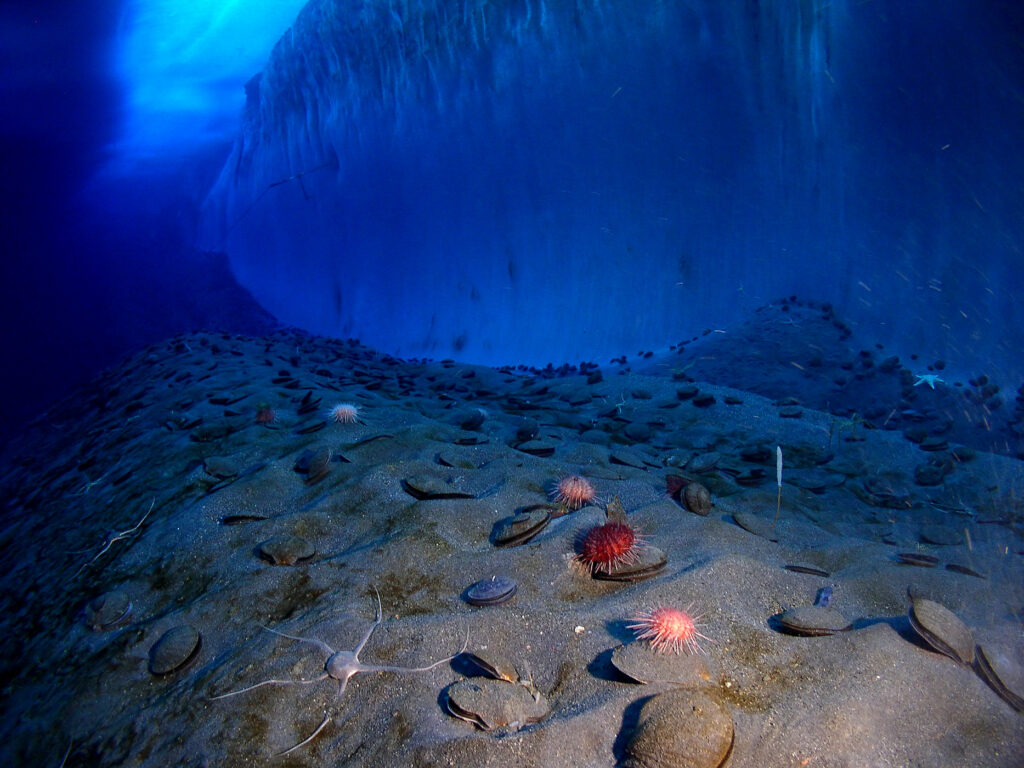
Brine pools are among the harshest environments on Earth. The water in these pools contains exceptionally high salt concentrations, features unusual chemical properties, and lacks oxygen. Despite these inhospitable conditions, the pools support a rich community of microbes. Previous studies of microbes in Red Sea brine pools have even identified biologically active molecules with potential anticancer properties.
Sam Purkis, professor and chair of the University of Miami Department of Marine Geosciences, emphasized the broader implications of the find. He noted that understanding the limits of life on Earth is essential for determining if alien planets can host living beings. The discovery of microbes thriving in extreme conditions can help trace those limits and guide the search for life elsewhere in the solar system.
Purkis described the timing of the discovery as fortunate. The team found the pools in the final five minutes of a ten-hour ROV dive. The expedition was funded by NEOM, a company developing the Saudi Arabian coastline, which supported the four-week research trip aboard the OceanXplorer.
Natural Archives of Geological History
These deep-sea lakes serve as natural archives for the region’s geological past. Their extremely salty and oxygen-free waters help preserve evidence of past events. Researchers can find traces of tsunamis, flash floods, and earthquakes that occurred in the Gulf of Aqaba thousands of years ago. The area is subject to significant tectonic activity, which has created numerous faults and fractures across the seabed.
Understanding this history has practical applications for coastal development. Earlier in 2022, the same research team uncovered evidence of a 500-year-old underwater landslide. That event likely generated a substantial tsunami. Knowledge of such historical events is critical for planning and safety in coastal regions of Egypt and Saudi Arabia.
The study, titled “Discovery of the deep-sea NEOM Brine Pools in the Gulf of Aqaba, Red Sea,” was published in Communications Earth & Environment. The research involved a large international team including scientists from King Abdullah University of Science and Technology, the University of Bari Aldo Moro in Italy, MARUM in Germany, and NEOM.
Source: ScienceDaily
