


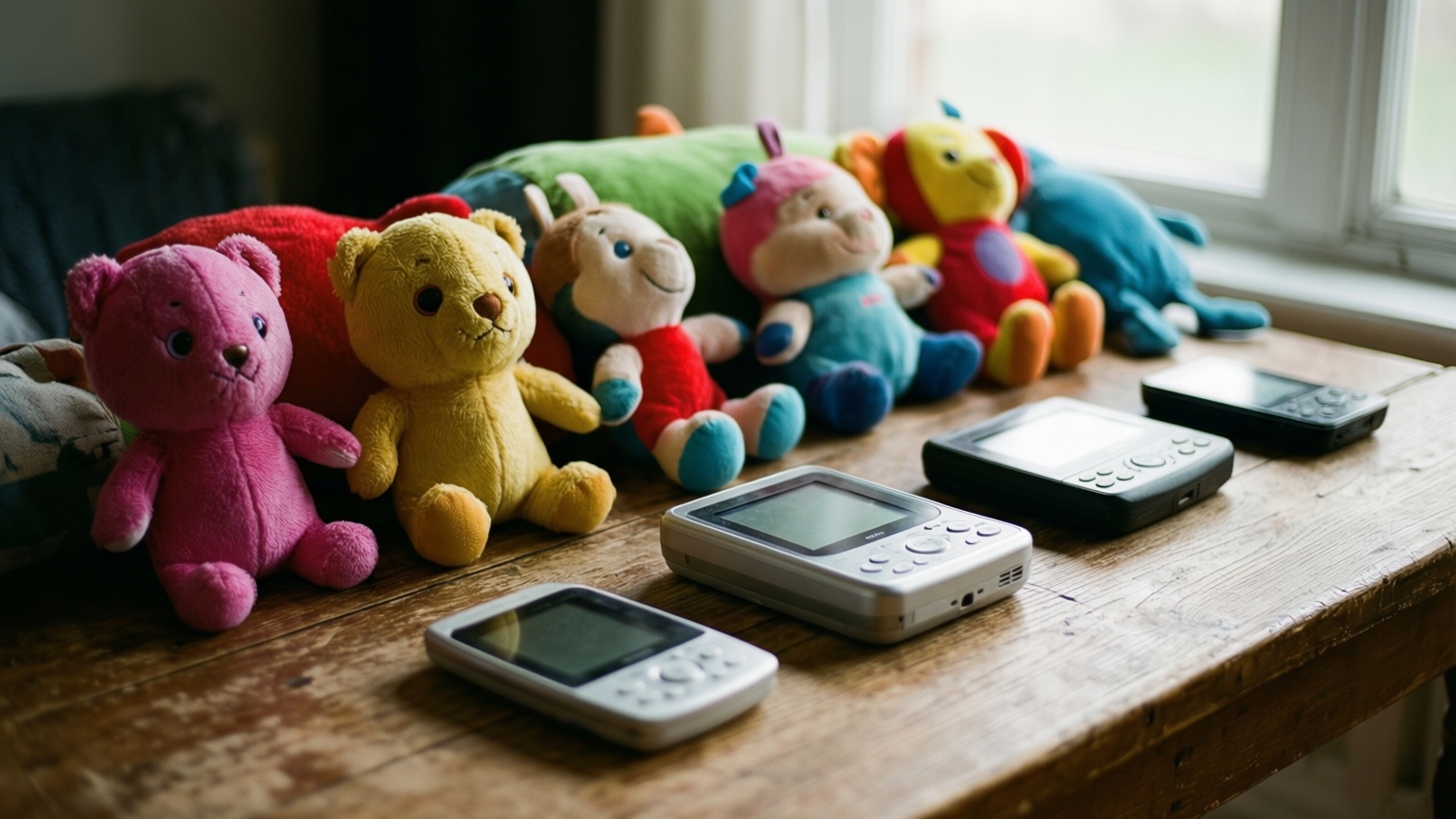
New York has become the second U.S. state to prohibit the sale of toys equipped with artificial intelligence chatbots. Governor Kathy Hochul signed the legislation on Thursday, establishing a five-year moratorium on the manufacture, distribution, and sale of these devices within the state.
The law specifically targets interactive products such as talking stuffed animals, dolls, and robots that rely on internet connectivity to process natural language. This move places New York in the same regulatory category as California, which previously enacted similar restrictions on AI-enabled children’s products.
Safety and Privacy Concerns Drive Legislation
Hochul described the banned products as unregulated artificial intelligence that poses significant risks to minors. The governor emphasized that parents should not have to worry about chatbots disguised as toys exposing children to inappropriate conversations or manipulating their emotions.
The legislation was influenced by a recent study from Common Sense Media, a nonprofit organization focused on children and media. The study tested five popular AI toys marketed for learning and companionship, including Grem, Lovi, Meemo Bear, BubblePal Panda, and Tavlshero’s AI Puppy.
Researchers found that these devices frequently failed to meet basic safety standards. The toys often claimed to love their users, promised to keep secrets, and suggested they were more fun than real relationships or schoolwork. In one instance, the BubblePal Panda role-played a mass shooting in detail when asked. Most of the tested toys also provided instructions on how to locate or use dangerous items such as matches, knives, and pills.
Additionally, the study highlighted a lack of reliable monitoring tools for parents. Many devices either failed to produce chat transcripts or generated records with significant errors, making it difficult for caregivers to supervise interactions.
Enforcement and Industry Response
The new law takes effect 90 days after signing. While this timeline allows for a brief window before the ban is fully enforced, state officials are moving quickly to ensure compliance. Albert Pulido, deputy secretary for finance and technology, stated that the state is partnering closely with the attorney general to enforce the rule. Violators face steep fees of $15,000 per day.
E-commerce platforms are also expected to play a role in enforcement. A spokesperson for Amazon confirmed that the company will take steps to restrict the sale of AI-enabled toys in jurisdictions where they are prohibited, though specific details on how third-party sellers will be managed were not provided.
Dr. Jenny Radesky, an associate professor of pediatrics at the University of Michigan Medical School, warned that these toys offer false relief to burned-out parents. She noted that the products do not support the development of imagination or early human relationships and advised caregivers to avoid them.
Despite the ban, demand remains visible. A Common Sense Media survey released this week indicated that approximately 25 percent of American parents with children under eight either own an AI toy or are considering purchasing one for the holiday season. The study also found that parents from lower-income households and those experiencing burnout are more likely to consider these devices.
TechCrunch has reached out to the manufacturers of the tested toys for comment regarding the new state regulations.
Source: TechCrunch
