


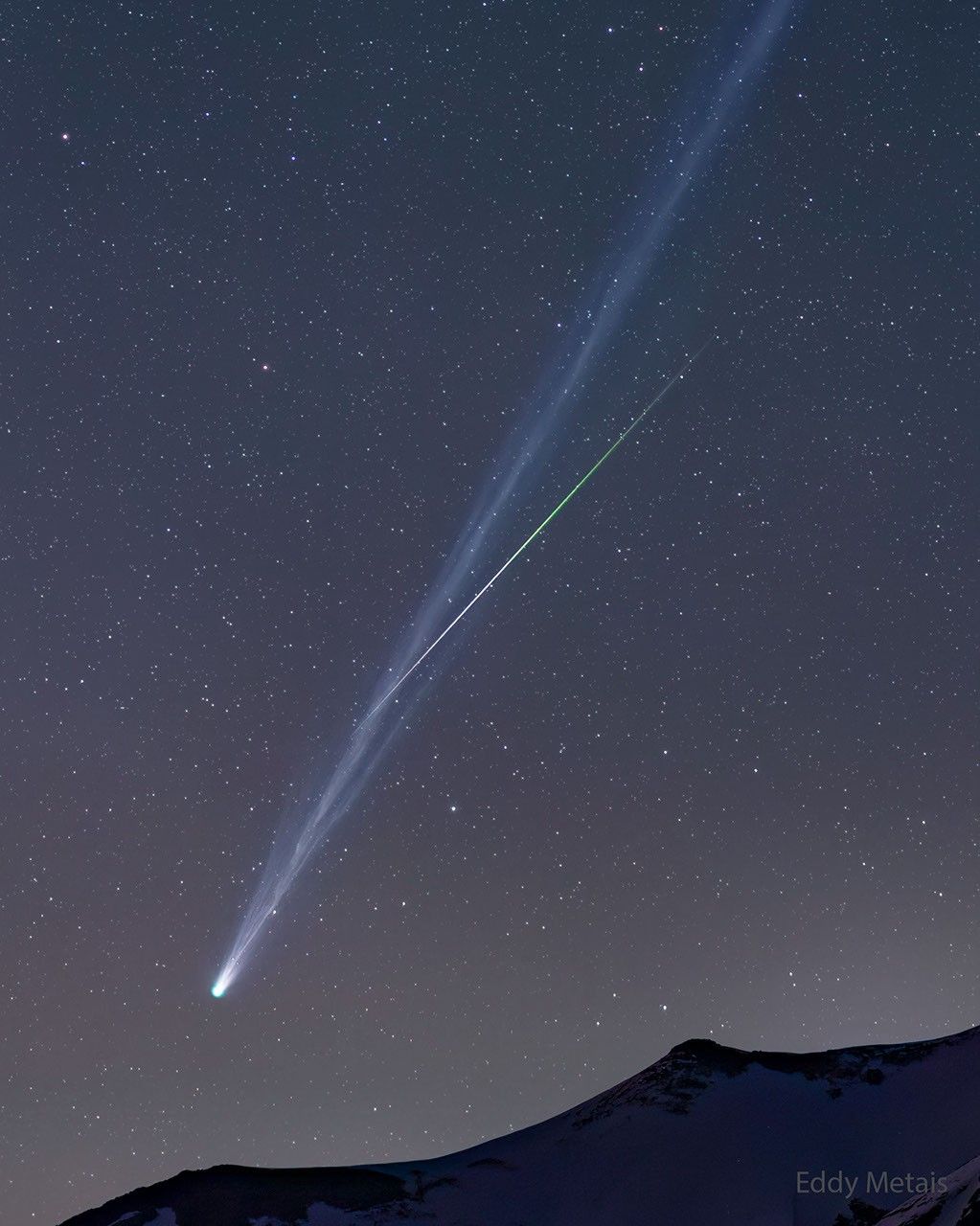
NASA’s Astronomy Picture of the Day for November 3, 2026, showcases a striking celestial scene featuring Comet C/2025 R3 (PanSTARRS) and a colorful meteor streak. While the image captures both objects in a single frame, astronomers clarify that the two phenomena are likely unrelated.
Unrelated Celestial Events
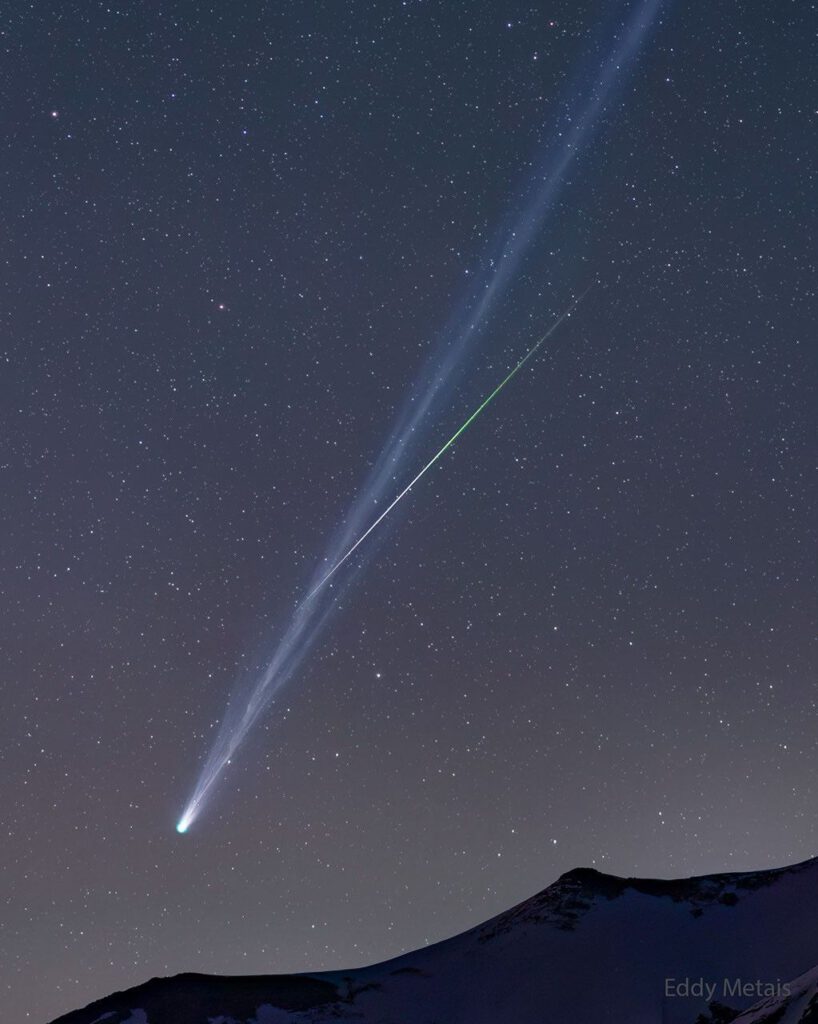
The photograph, taken from Hautacam in France in April, depicts the comet with its distinct blue ion tail and dust tail. In the foreground, a sand-sized piece of rocky debris entered Earth’s atmosphere, creating a meteor with a colorful streak that suggests a complex chemical composition.
Although many meteors do originate from comets, matching specific meteors to their parent bodies is difficult. Thousands of comets have visited the inner Solar System recently, making direct attribution tricky. In this specific case, the comet is positioned far behind the streaking meteor in the image, indicating they are separate events rather than a direct interaction.
Upcoming Meteor Showers
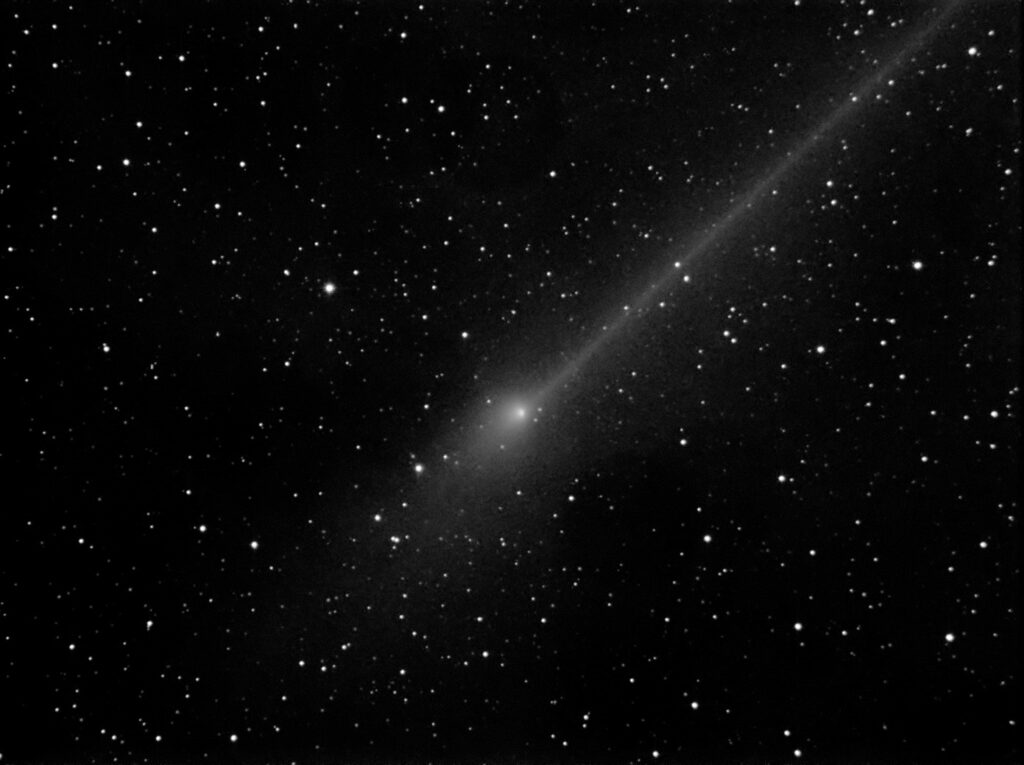
November brings three notable meteor showers to the sky. The Southern Taurids are reaching their peak activity over the next few days. This shower, along with the Northern Taurids, originates from Comet 2P/Encke. The Northern Taurids are expected to top out about a week after the Southern Taurids.
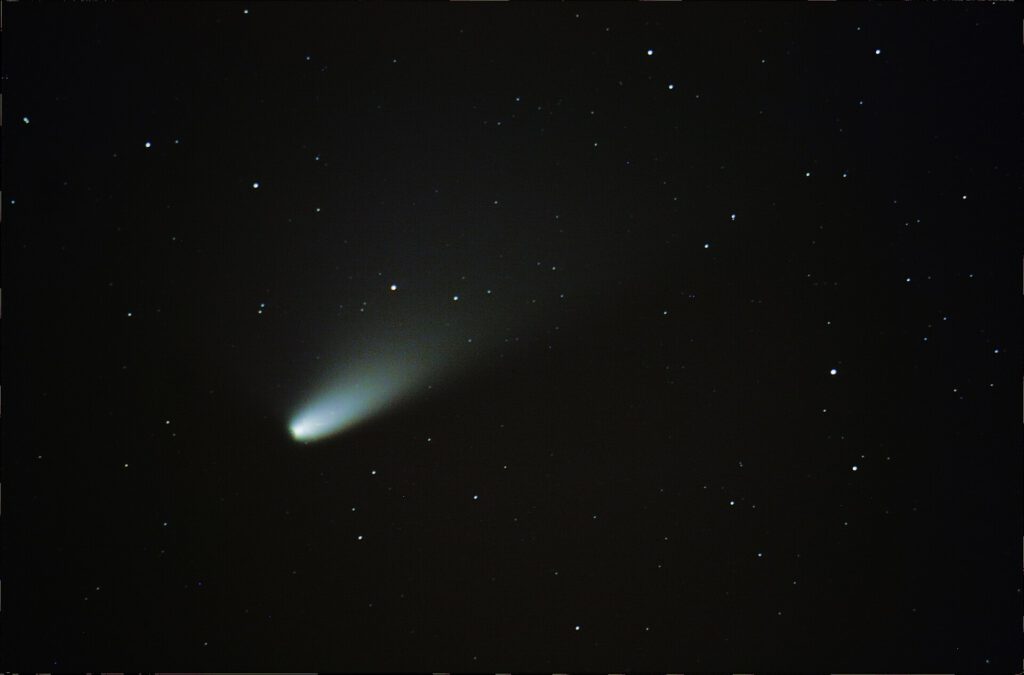
The most famous shower of the month is the Leonids Meteor Shower. Originating from Comet 55P/Tempel-Tuttle, the Leonids will reach their crescendo in about two weeks. Observers can expect to see increased meteor activity as these showers peak throughout the month.
The featured image serves as a reminder of the dynamic nature of our Solar System. While the visual connection between the comet and the meteor is compelling, the scientific reality is one of coincidence. The upcoming meteor showers offer another opportunity to witness the debris left behind by comets as they orbit the Sun.
Source: NASA
