


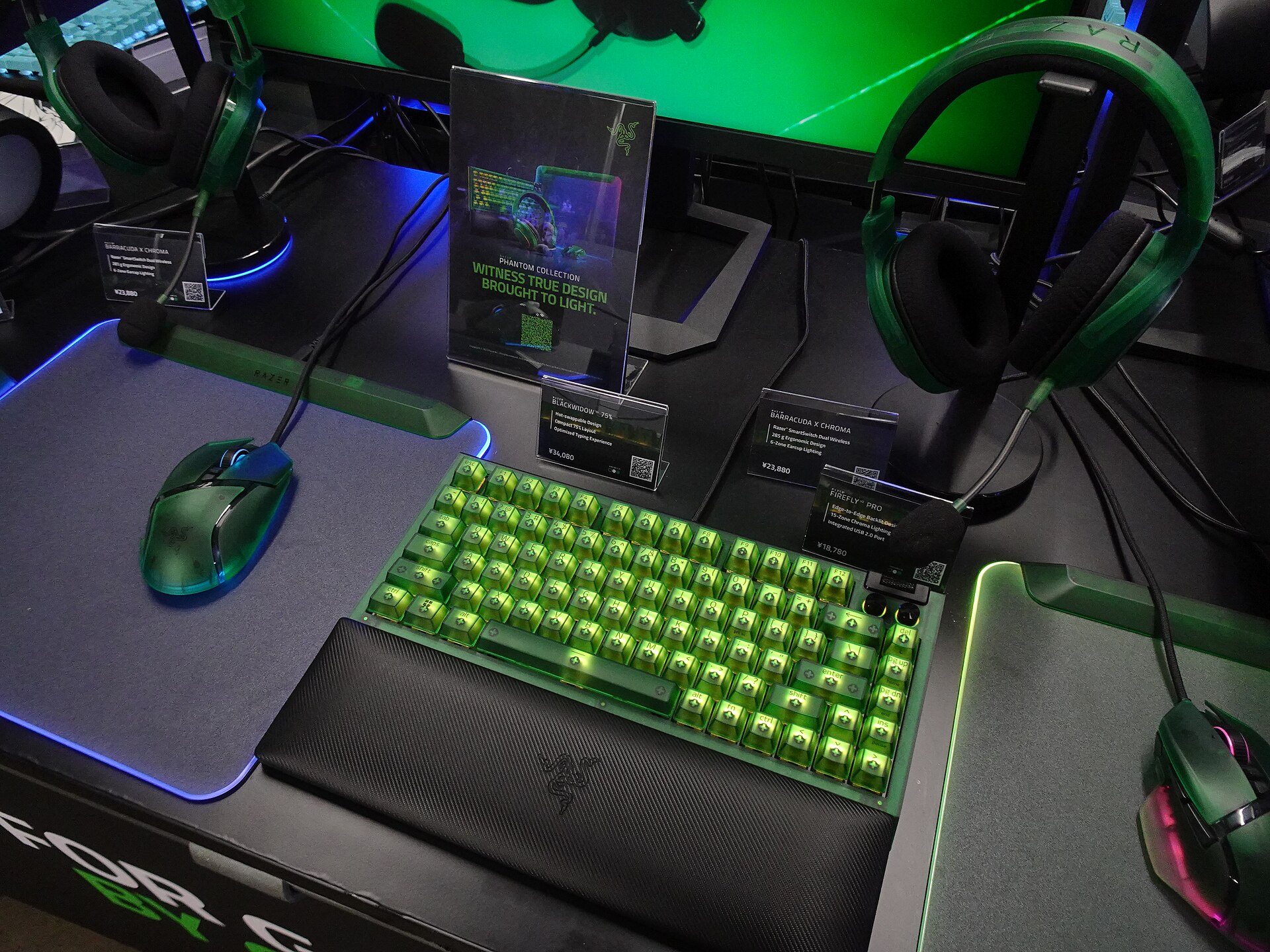
Razer has released two new gaming mice, the Basilisk V4 Pro and the V4 HyperSpeed, which include a controversial software function called Perfect 180. This feature allows users to assign a specific mouse button to execute an immediate 180-degree turn. Razer states that the tool is designed to give competitive first-person shooter (FPS) players a tactical advantage by helping them react to threats from behind.
Hardware-Assisted Movement
The Perfect 180 function targets players who use low sensitivity settings. At these settings, turning around quickly to face an enemy requires significant physical mouse movement, which can be slow. The software feature bypasses this physical limitation by instantly rotating the player’s view. According to Razer, the feature is integrated into the Synapse configuration software and can be set up for specific games. Users can choose the direction of the spin and adjust the configuration details.
This is not a third-party program or an external aim assist tool. It is an official function built into the manufacturer’s ecosystem. However, the introduction of such a feature has drawn comparisons to previous controversies in the gaming hardware industry, such as the SOCD or Snap Tap debates, where hardware inputs were used to manipulate game mechanics in ways that bypassed intended limitations.
Community Reaction
The gaming community is divided on whether this constitutes cheating. Many players view instant, hardware-triggered turns as an unfair advantage. In traditional multiplayer shooters, rapid movement responses are often associated with the use of unauthorized aim assist software. Players who encounter opponents who can spin around and fire instantly often report these interactions as suspicious or unfair.
While the feature does not automatically aim at enemies, it significantly reduces the time required to change direction. This creates a scenario where a player can reorient themselves faster than is physically possible with standard mouse movement at low sensitivity. Critics argue that this places users of the feature at a distinct advantage over those who rely solely on physical input speed.
Supporters of the feature may argue that it simply assists with movement rather than aiming. The player still must aim their crosshair after the turn. However, the speed of the reorientation itself is a critical factor in competitive gameplay. The ability to instantly face a threat allows for quicker reaction times, which can determine the outcome of a match.
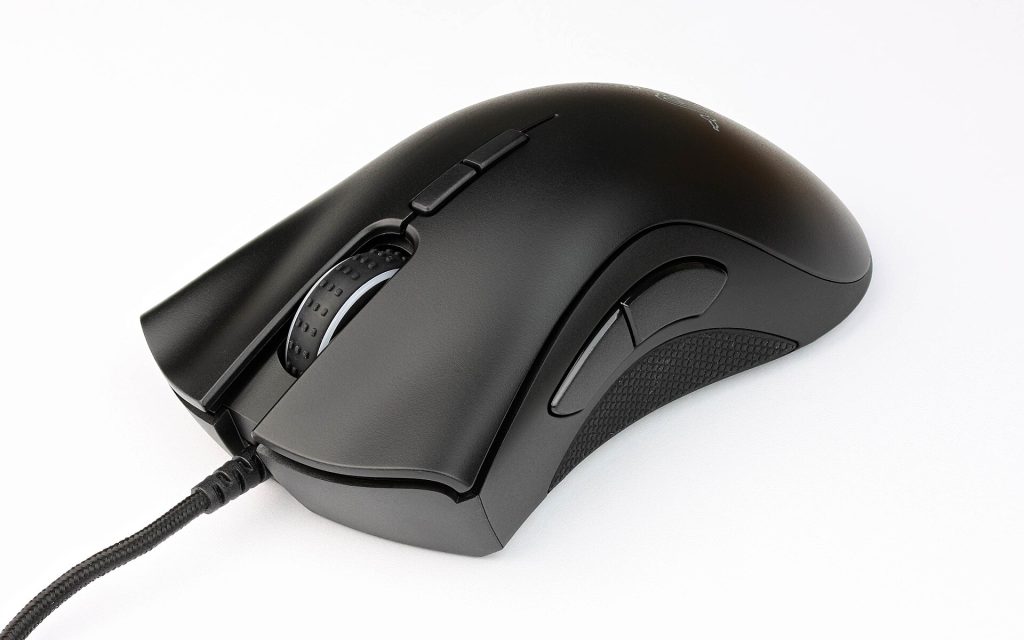
The debate highlights a growing tension between hardware capabilities and game fairness. As mice become more powerful, the line between legitimate skill and hardware assistance becomes blurrier. Razer’s decision to include Perfect 180 suggests a willingness to push these boundaries, but it also invites scrutiny from the competitive gaming community.
Players are now discussing whether such features should be allowed in ranked or competitive modes. The outcome of this debate could influence how future gaming peripherals are designed and whether game developers will need to implement countermeasures against hardware-assisted movement.
Source: PC Gamer
