


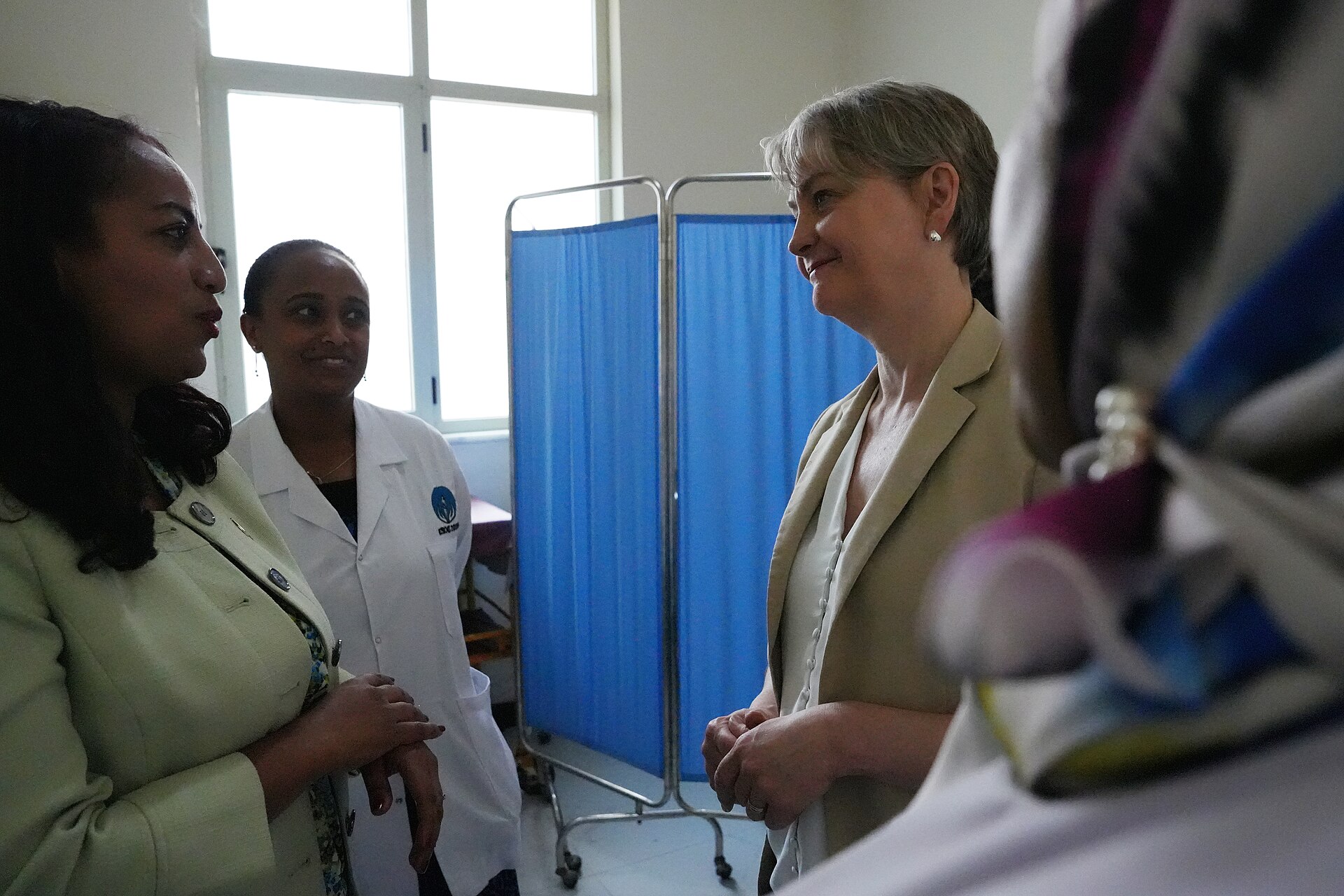
The National Health Service in England is heading toward “system failures” as demand for mental health, ADHD and autism care reaches unsustainable levels, according to a major government-commissioned inquiry. The review, led by Professor Peter Fonagy, found that relentless pressure on services is leaving patients desperate for support and facing years-long waits for basic assessments.
The 607-page report highlights a sharp rise in mental distress across all age groups since the 1990s. Among 16- to 24-year-olds, the prevalence of common mental disorders jumped from one in six to one in four between 1993 and 2024. The inquiry dismissed claims that young people are exaggerating their struggles, stating that the rise in problems is real and significantly affects everyday functioning.
Record waiting lists for ADHD and autism
Waiting times for diagnostic assessments have exploded in recent years. At the end of last year, more than 560,000 people in England were waiting to be assessed for ADHD, a figure 17 times higher than in 2019. Another 254,000 individuals were on the waiting list for an autism assessment. Almost 90% of those waiting had been waiting for at least three months.
Diagnosis rates among children have also surged. The proportion of six- to 11-year-olds diagnosed with autism jumped 20-fold between 2000 and 2025, reaching 4.58%. For 12- to 17-year-olds, the rate increased 40-fold to 4.06%. ADHD diagnoses in the same age groups rose more than sixfold and 15-fold respectively over the past five to 12 years.
The report warns that the UK has reached a “tipping point” where the risk of misdiagnosis is growing. While large-scale overdiagnosis was not confirmed, the balance of risks is shifting. The line between social identity and medical condition is blurring, with up to one-fifth of secondary school pupils now self-identifying as neurodivergent.
Call for needs-led care and clinic regulation
Professor Fonagy and his team urged ministers to overhaul how care is delivered. They recommended moving to a “needs-led” system where support is provided based on a person’s requirements rather than waiting for a formal diagnosis. This approach aims to reduce the years of suffering many patients endure while on waiting lists.
The inquiry also raised serious concerns about the quality and consistency of assessments carried out by independent private clinics. Many patients turn to these providers because NHS services are overwhelmed. The report found strong evidence of financial incentives driving assessment activity and called for stricter regulation by the Care Quality Commission. It specifically recommended banning direct-to-public advertising by these clinics.
Health Secretary Yvette Cooper responded to the findings by promising a “needs-led” system that provides faster advice, assessments and treatment. She asked NHS England to develop plans to implement these changes. Cooper pledged to ensure all private assessment clinics are regulated but did not commit to the proposed advertising ban.
The Royal College of Paediatrics and Child Health backed the call for change. Dr Ronny Cheung, the college’s officer for health services, noted that too often a diagnosis is the only route to meaningful help, leaving families to struggle alone while waiting for assessments.
The government is expected to publish its mental health strategy by the end of the year, incorporating these recommendations. The findings also have broader implications for the economy, with nearly 1 million young people currently not in education, employment or training, and a record 2.8 million people too sick to work.
Source: The Guardian
