


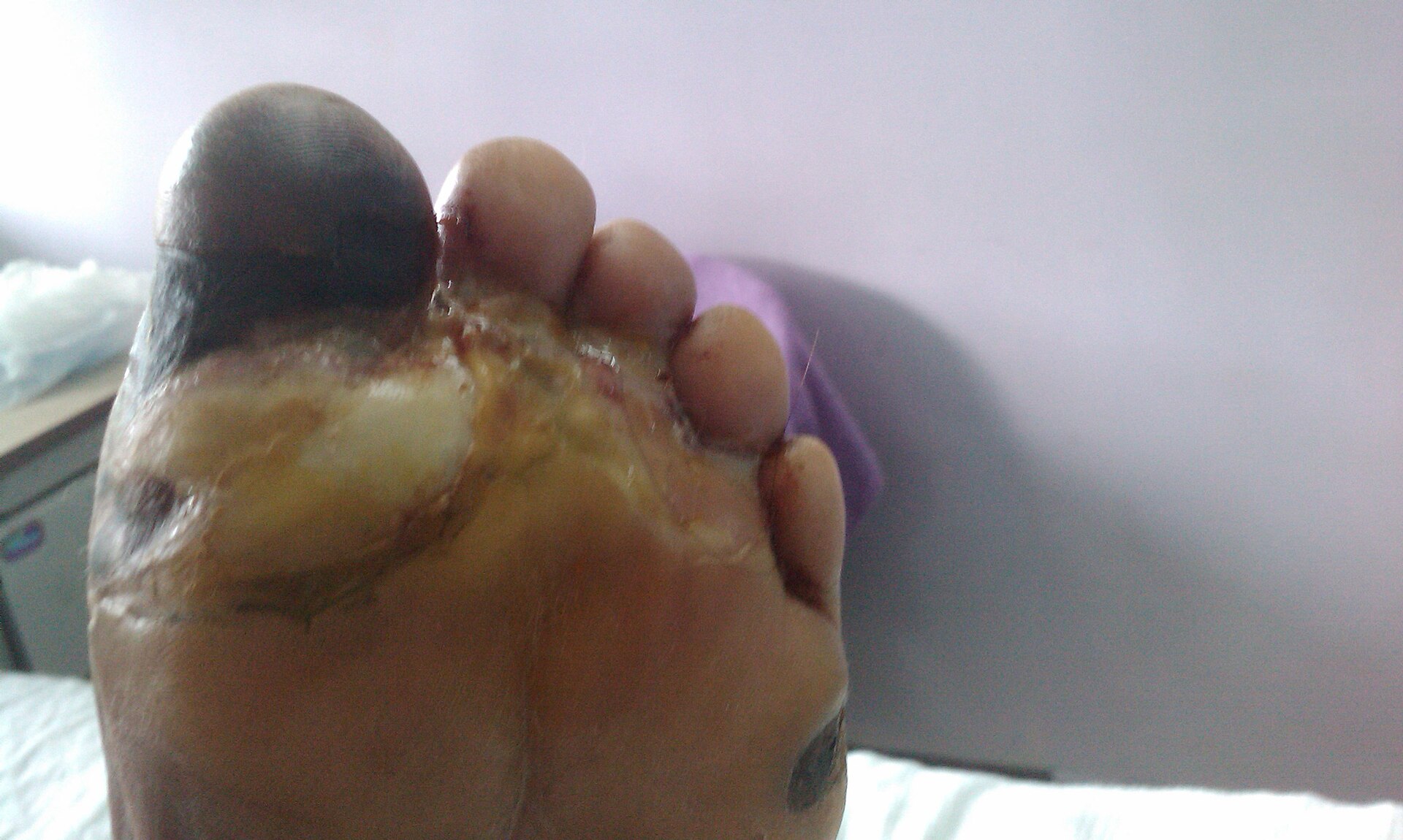
Chronic diabetic ulcers represent one of the most persistent and costly complications in modern medicine. Affecting more than 131 million people globally, these non-healing wounds generate approximately $755 billion in annual healthcare expenses. The condition carries severe risks, including limb amputation and mortality, making the underlying biological causes a critical area of medical research.
Immune cells are the primary coordinators of the body’s response to injury. However, a comprehensive review by Yi Ru and colleagues highlights that previous studies often overlooked how different immune cell populations shift over time as diabetic wounds progress. The researchers examined the behavior of monocytes, macrophages, dendritic cells, neutrophils, mast cells, B cells, T cells, and natural killer cells throughout the healing process.
Macrophage Stalling in Diabetic Tissue
Monocytes and macrophages receive particular attention in the review. During normal healing, monocytes migrate into damaged tissue and differentiate into macrophages. These cells typically shift from a pro-inflammatory M1 state to a pro-reparative M2 state. This transition allows inflammation to subside and initiates tissue repair.
In diabetic wounds, this transition frequently breaks down. Macrophages may remain locked in pro-inflammatory states instead of moving toward repair. This stalling prolongs tissue damage and prevents the wound from progressing through normal healing stages.
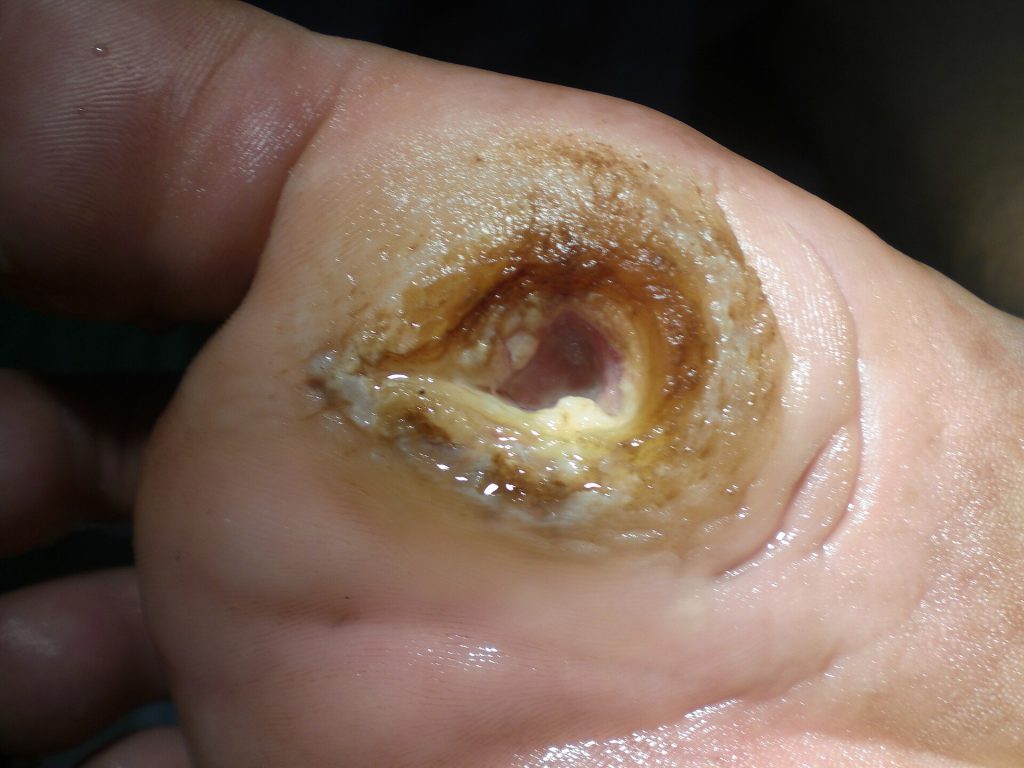
The review also scrutinizes the debated M1/M2 macrophage polarization model. While the model suggests a clear binary shift, the reality in diabetic tissue appears more complex. The failure to resolve inflammation is a central barrier to diabetic wound healing, keeping the tissue in a state of chronic injury.
Neutrophils and Dendritic Cell Dysfunction
Neutrophils are among the first immune cells to arrive at a site of injury. They destroy pathogens and trigger the initial inflammatory response. In diabetic wounds, however, the formation of neutrophil extracellular traps becomes poorly regulated. This abnormal activity leads to excessive release of proteases and reactive oxygen species, which damage surrounding tissue and prolong inflammation.
Dendritic cells also play a vital role in connecting innate and adaptive immunity. Recent evidence indicates that these cells become less effective at efferocytosis in diabetic wounds. Efferocytosis is the process by which dead cells are removed. When this process is impaired, dead cellular material accumulates and continues to trigger inflammatory signals.
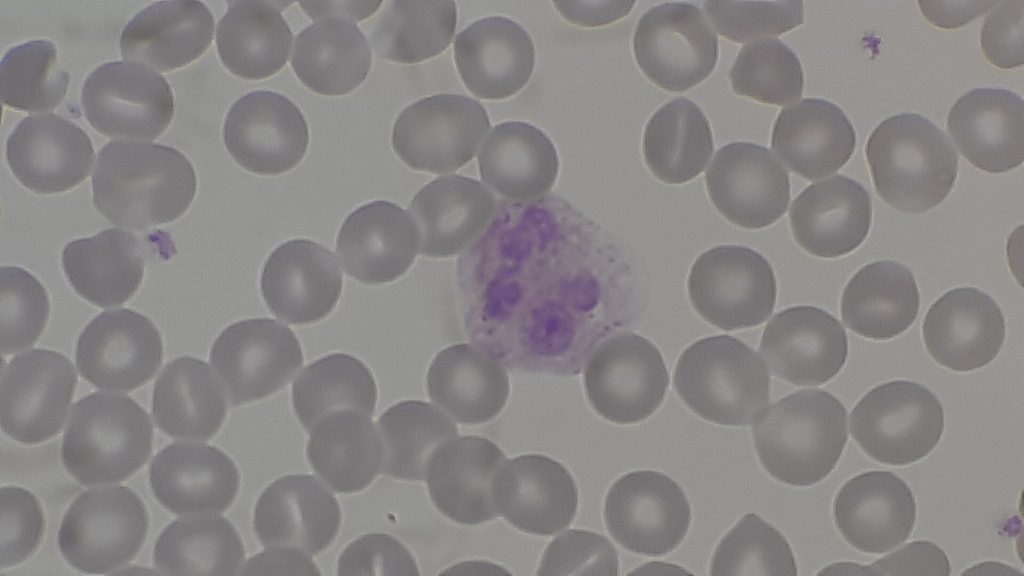
The SLC7A11 transporter appears to regulate this process. Reduced activity of this transporter in diabetes may weaken dendritic cell function and interfere with the resolution of wounds. Mast cells, which release histamine and growth factors, also show altered degranulation patterns in diabetic tissue, further maintaining chronic inflammation.
Emerging Therapeutic Targets
A deeper understanding of immune behavior in diabetic wounds opens the door to new treatments. The review highlights advances in therapies designed to directly modify immune activity. Topical anti-cytokine biologics that disrupt persistent inflammatory signaling are among the approaches being tested.
Strategies that influence macrophage polarization are especially promising. Several drugs have shown an ability to encourage M2 states and speed wound closure. Mesenchymal stem cell therapies and extracellular vesicles derived from these cells may provide broad immune-regulating effects. Advanced biomaterials and smart dressings could offer another option by delivering immune-modifying substances directly to the wound.
Other emerging approaches include Janus liposozyme technologies designed to regulate redox balance and immune homeostasis. Macrophage-regulating drugs have shown benefits in randomized clinical trials, while IL-15 superagonists aim to boost the activity of dendritic epidermal T cells.
The researchers emphasize that effective treatment may depend not only on which immune cells are targeted, but also on when they are targeted. Diabetic wounds pass through inflammatory, proliferative, and remodeling stages, and each phase has a different immune environment. Therapies that are useful at one stage may not have the same effect at another.
Future approaches could include personalized treatment plans based on immune profiling of individual wounds. Researchers are also exploring combination therapies that target several immune cell populations at once. This work aims to address unresolved questions about how macrophages should be classified and how to precisely control the immune response in chronic ulcers.
Source: ScienceDaily
