


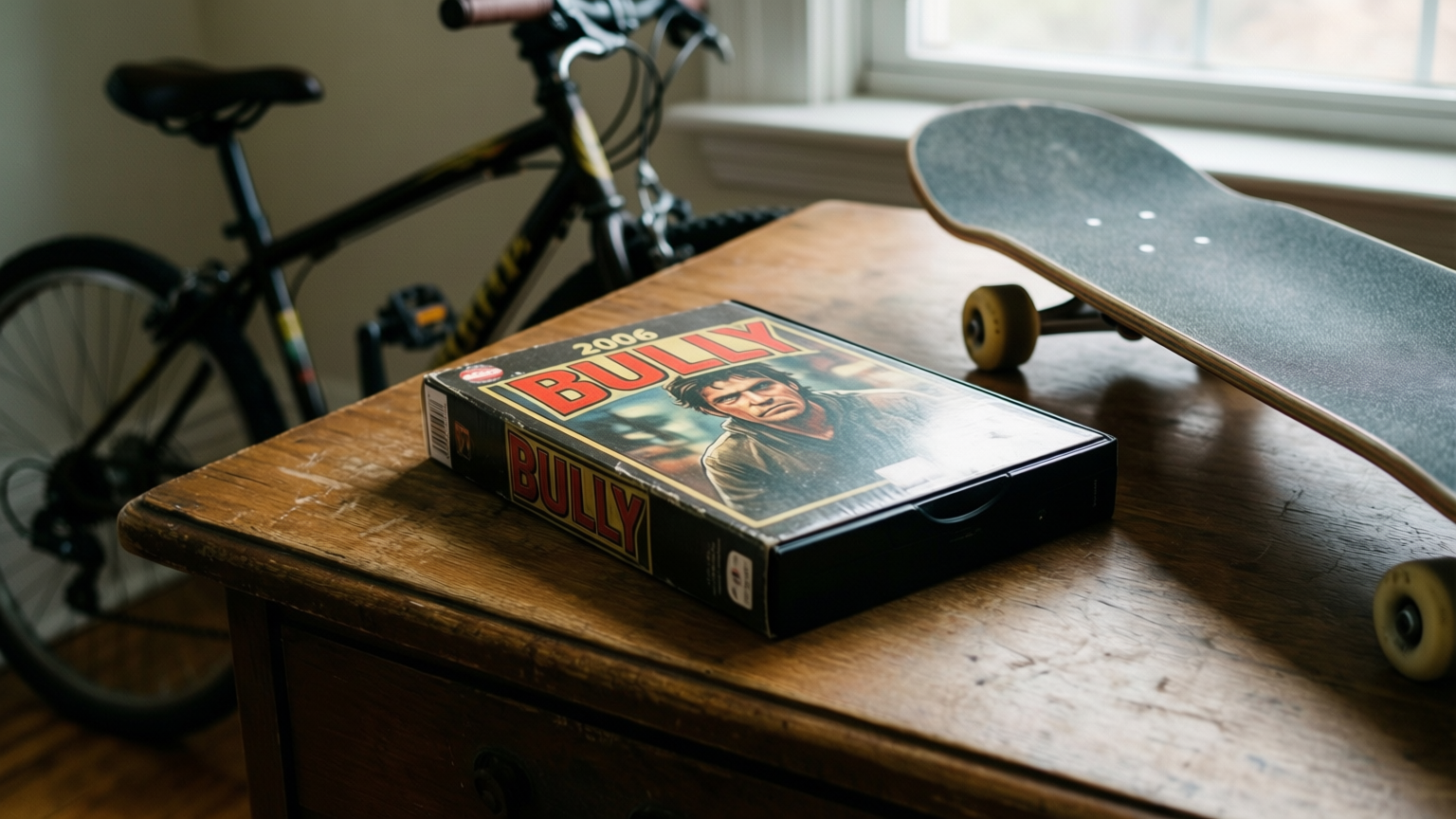
Rockstar Games has built a reputation as one of the most prominent developers in the video game industry. This status is largely driven by the massive success of the Grand Theft Auto series and the Red Dead Redemption franchise, with additional recognition for titles like L.A. Noire and the Max Payne series. As the industry anticipates the upcoming release of Grand Theft Auto 6, attention is turning back to a different kind of milestone. Twenty years ago, the studio released a title that offered a distinct variation on its established formula, yet it remains without a follow-up.
Bully Released in October 2006
The game, known as Bully in North America and Canis Canem Edit in Europe, launched in October 2006. It received strong critical reception, securing a metascore of 87 out of 100. The title presented an open-world environment set in Bullworth, a fictional town in New England. Players could explore the area freely, engage in physical altercations, steal vehicles, and complete various missions. The core distinction of the experience was the protagonist’s age and social standing. Unlike the adult criminals featured in other Rockstar titles, the player controlled a teenager navigating the social hierarchy of a school.
The narrative follows Jimmy Hopkins, a student at Bullworth Academy who finds himself involved in conflicts between different groups of students. The game was released between Grand Theft Auto: San Andreas and Grand Theft Auto IV, serving as a bridge in the studio’s catalog. It introduced a juvenile perspective to the open-world genre, a concept that had not been widely explored in video games at the time. The mechanics reflected this setting. Conflicts involved interactions with schoolmates, including bullies and jocks. Vehicles available for theft included bicycles, skateboards, and scooters. Weapons were limited to items such as slingshots, stink bombs, and baseball bats. Even romantic interactions were constrained, limited to brief encounters in school hallways.
Gameplay Mechanics and School Cliques
While the premise might suggest a simple prankster fantasy, the game included strategic elements. Players could scatter marbles on the floor to trip prefects or use stink bombs to disperse crowds. These tools served functional purposes within the game world rather than acting solely as comedic relief. The plot revolves around Jimmy becoming the de facto leader of various student cliques. These groups are depicted as exaggerated caricatures. The nerds are characterized by glasses, nasally voices, and varying body types. The greasers wear leather jackets, have slicked-back hair, and possess names suggesting Italian-American heritage. The jocks are muscular, play sports, and wear letterman jackets.
Jimmy Hopkins is not portrayed as a bully himself. He comes from a difficult home environment and is trying to survive in a new school. His actions are often directed at standing up to actual bullies, providing a sense of justice within the narrative. The game holds up mechanically two decades later, offering more than just nostalgia for those who played it as children. The source material notes that the author was 12 years old when first playing the game, a time when the activities depicted, such as throwing firecrackers in school halls, were aspirational but not attempted.
Long Wait for a Follow-Up
Despite the game’s unique approach and critical success, there has been no sequel or modern remake released in the two decades since its original launch. The article suggests this absence is disappointing for fans of the title. A sequel would likely differ significantly from the original due to cultural changes in school life over the last twenty years. The concept has not received a one-and-done treatment in terms of legacy, with many feeling it deserves more attention. As Rockstar prepares for the release of Grand Theft Auto 6, the lack of a Bully sequel remains a notable gap in the studio’s portfolio of acclaimed titles.
Source: Polygon
