


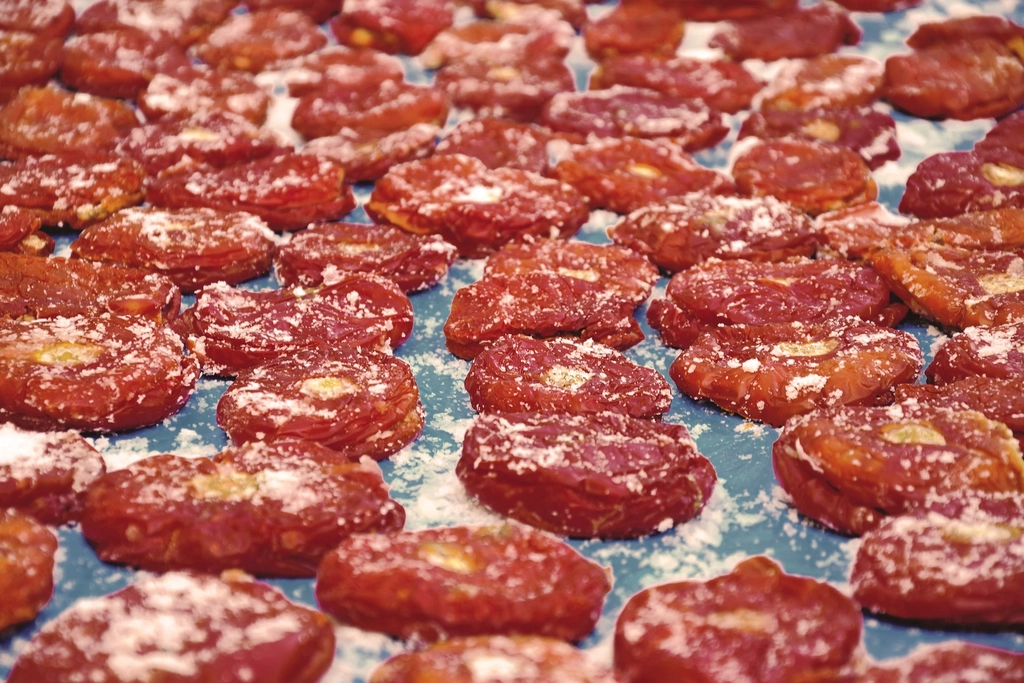
Georgina Hayden has shared a recipe for sun-dried tomato spaghetti, a dish she describes as rich, punchy, and deeply rooted in the culinary traditions of Puglia. Unlike standard pasta preparations where noodles are boiled separately, this method cooks the spaghetti directly in the sauce, absorbing flavor as it goes.
The technique mirrors the process of making risotto, but with a significantly faster timeline. Hayden notes that the dried spaghetti is slowly “fed” hot broth, allowing it to cook through while integrating with the tomato base. She has included sun-dried tomatoes in the mix to add a specific bite and a touch of sweetness to the overall profile.
The Risotto-Style Method
The preparation begins by diluting three tablespoons of tomato puree in a litre of just-boiled water to create a broth. A large frying pan or saute pan, wide enough to hold the spaghetti flat, is heated over medium-low heat. Hayden adds 120ml of extra-virgin olive oil, four finely chopped garlic cloves, and one to two finely sliced red chillies. The mixture is fried for about a minute until fragrant.
Next, 100g of finely chopped sun-dried tomatoes are stirred in and cooked for a couple of minutes. Hayden then adds 300ml of passata, seasoning generously with salt and black pepper. The sauce is simmered vigorously for five minutes until it appears glossy and rich. At this stage, the 350g of spaghetti is laid into the pan, spread out to cover the bottom.
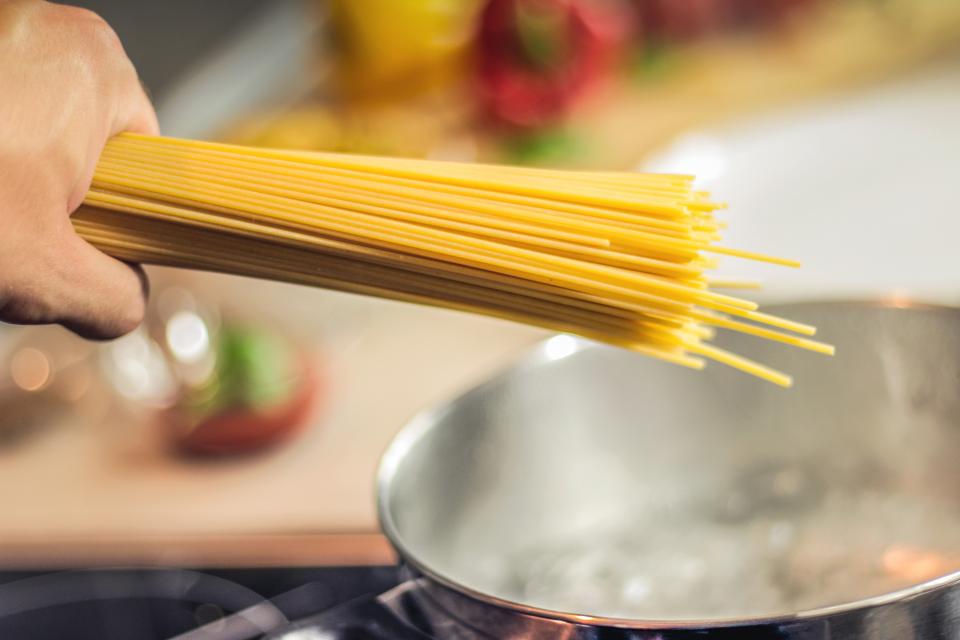
The pasta is cooked on medium-high heat until it has absorbed the initial sauce. Hayden then ladles in some of the hot tomato broth. The cooking process involves letting the liquid absorb completely before adding more. If necessary, the heat can be turned up to high to create a crust underneath, which helps the pasta absorb the broth more effectively.
Finishing the Dish
After eight to ten minutes, the pasta is flipped using a spatula. Hayden states it should have a slightly charred crust on the underside. The process of ladling in broth and allowing absorption continues for another eight to ten minutes. The spaghetti is flipped again, revealing lovely, crisp, charred edges.
The dish is served with a drizzle of extra-virgin olive oil and torn basil leaves scattered on top. Hayden suggests that while parmesan could be added, the dish has so much inherent flavor that it does not strictly need it. The heat level is left to the cook, with one chilli providing warmth and two offering a stronger kick, depending on personal tolerance.
Source: The Guardian
