


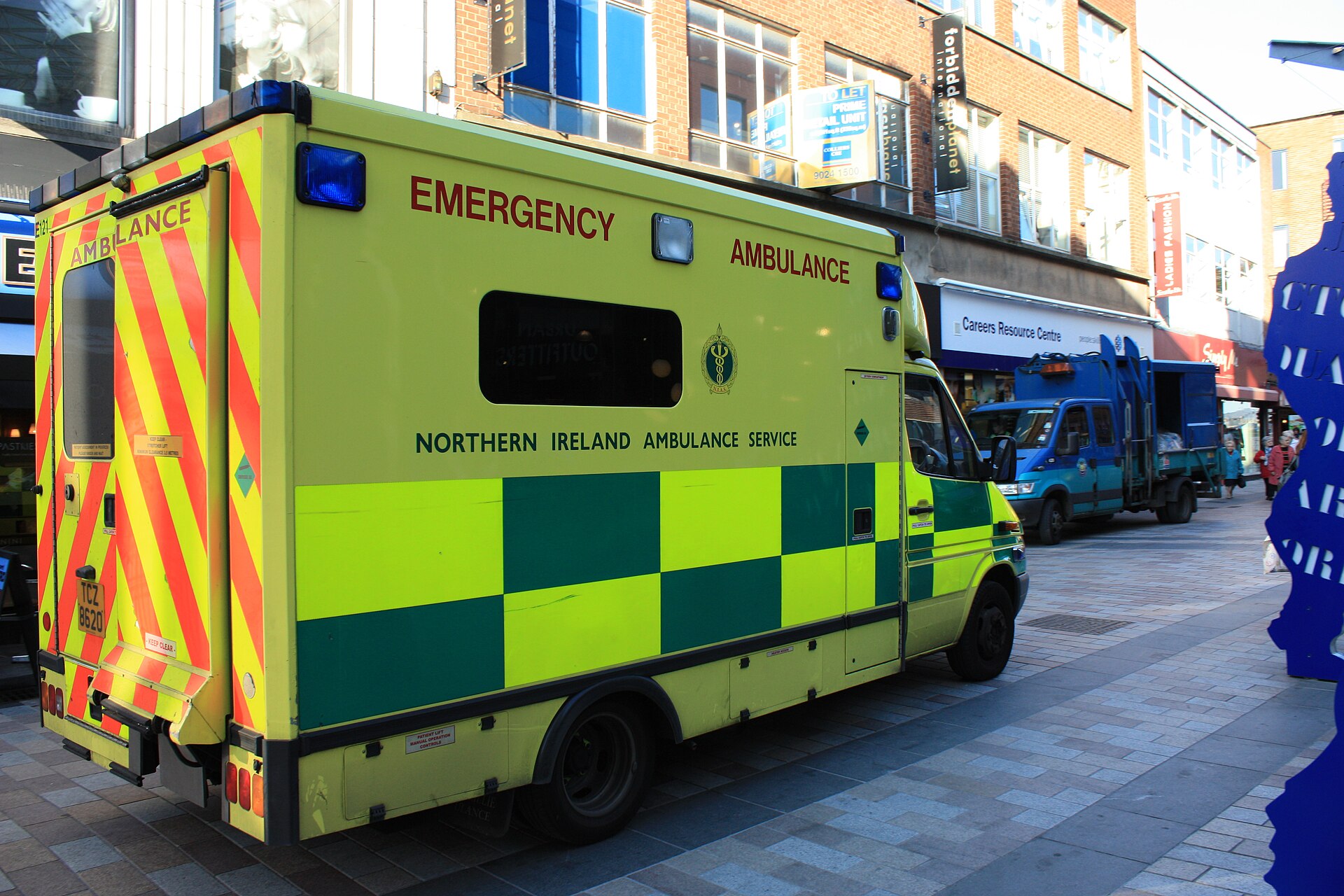
Northern Ireland’s health minister has instructed hospital trusts that have not yet discontinued their Phone First service to pause any planned cessation of the scheme. The directive comes after several trusts moved to scrap the telephone triage system to meet urgent financial savings targets.
The Department of Health stated in a statement to BBC News NI that trusts which have not yet stood down the service will be liaising with their external providers to secure an extension. This intervention halts the withdrawal process that was already underway at the Belfast Trust and the Northern Trust.
Reversal of Trust Decisions
The Belfast Trust had already scrapped its Phone First line, with the service ending in late September. The Northern Trust had planned to close its line on 27 November, but interim chief executive Suzanne Pullins confirmed on Thursday that the formal withdrawal has been paused to allow for reassessment.
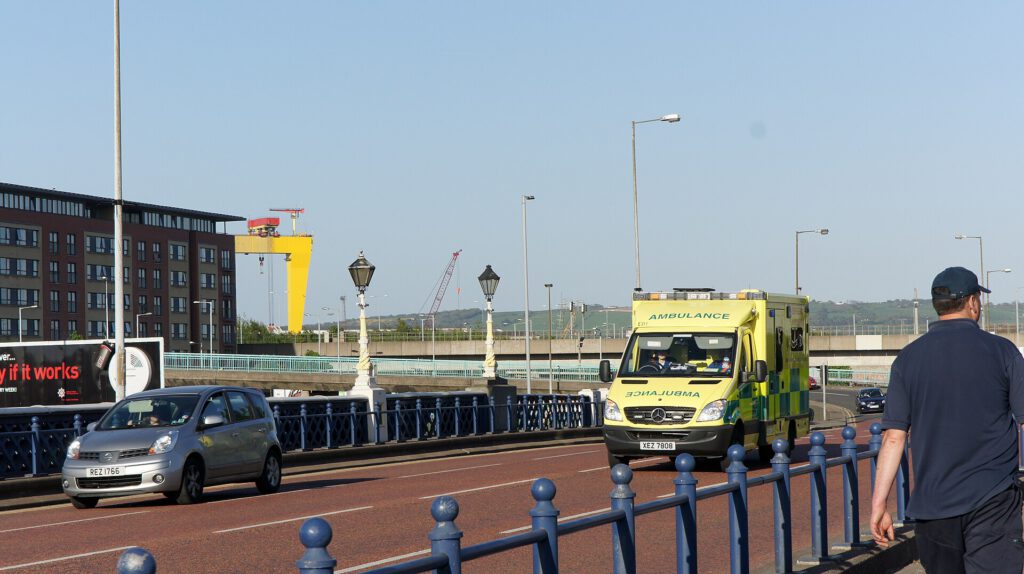
Pullins announced the development while appearing before the Stormont Health Committee to discuss the trust’s savings plans. She acknowledged that the decision to stand down the service was made in “no way a reflection of the service” which she described as “very valued”. However, she explained that the trust faced “no easy choices” given the scale of financial savings required.
The Northern Trust has been asked to find £53.8 million in savings for the current year. Phone First costs £500,000 to run, a figure the Belfast Trust estimated it would save by closing its line.
Winter Pressures and Usage Data
Last month, committee members expressed concern that the Phone First service was being cut just as hospital emergency departments prepared to deal with increased winter pressures. The service was initially introduced during the pandemic in late 2020 to reduce the risk of Covid-19 spreading among patients in crowded hospital waiting rooms.
Under the system, patients call a dedicated line before travelling to hospital to check if they really need to go to an emergency department or if they could be treated elsewhere. It operates similarly to the NHS 111 helpline in England, Scotland, and Wales, designed for urgent but not life-threatening cases.
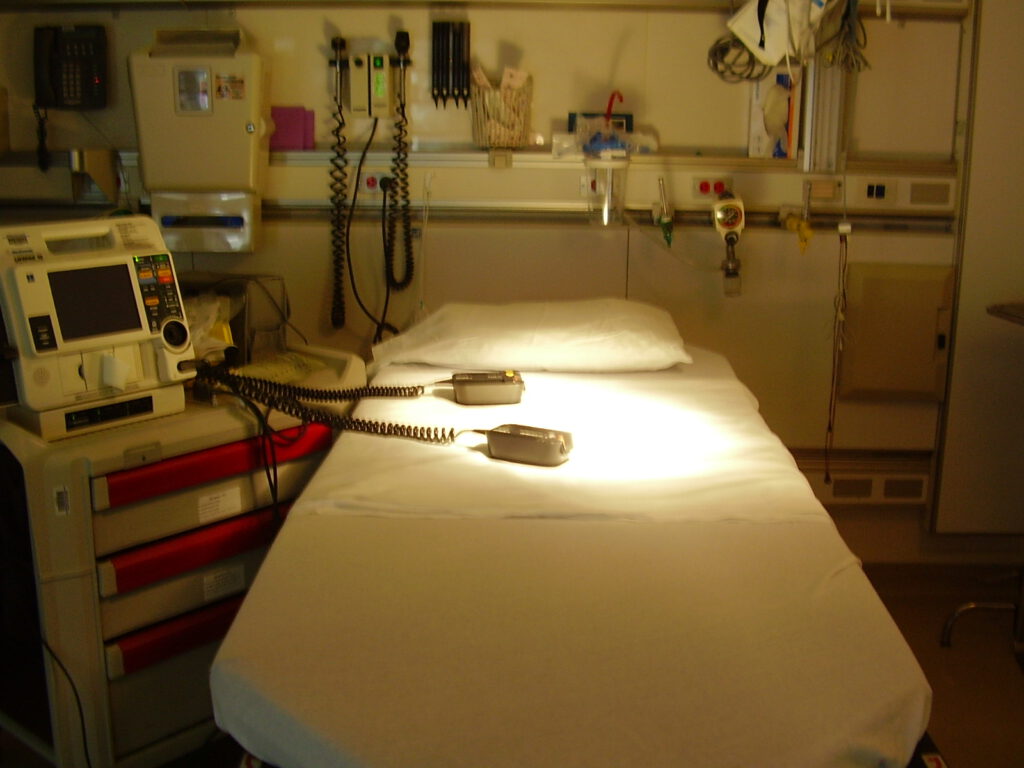
Usage statistics show a rising trend over the past six years. In September alone, there were 18,263 calls, with 12,098 resulting in patients being referred on to emergency departments. Committee chair Philip McGuigan pointed out that the service may have helped keep more than 6,000 callers out of the emergency department in that month.
However, some senior staff had argued that because two-thirds of callers end up in the emergency department anyway, the service was less effective at reducing pressures than other options. Claire Corry, Director of Finance at the Belfast Trust, told the committee that scrapping the line was the “least worst option” given the projected £800 million shortfall in the Northern Ireland health budget.
Trust Responses and Current Status
The Department of Health noted that the Belfast Trust had redeployed its Phone First staff to urgent care services to secure access to urgent and emergency care. All trusts are now focused on supporting emergency departments to ensure optimal patient flow.
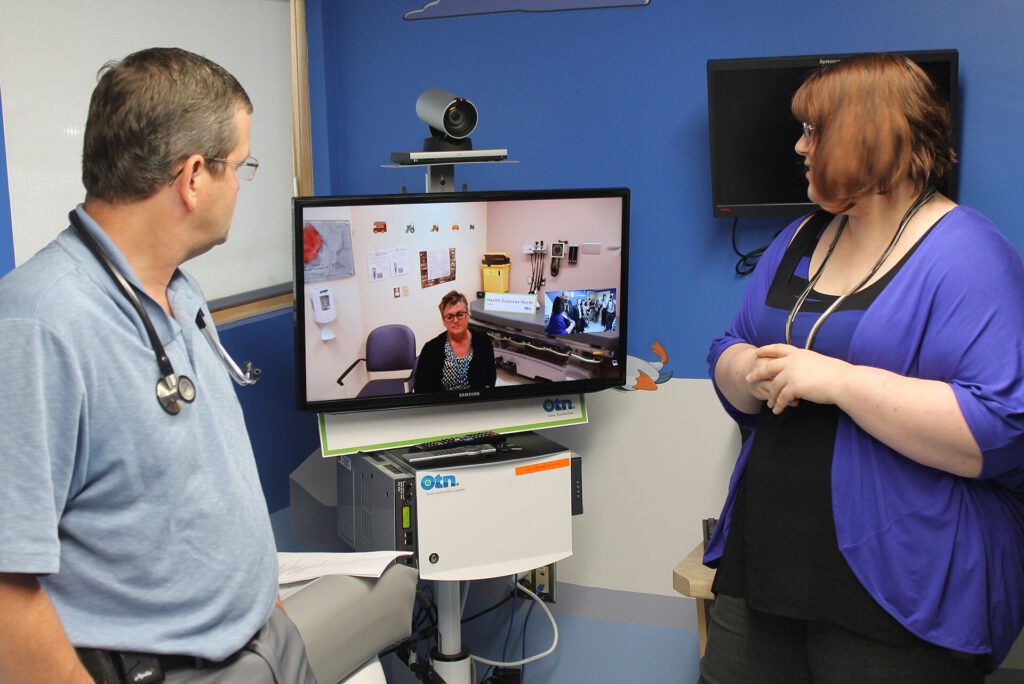
Other trusts have responded differently to the minister’s instruction. The Western Trust said its Phone First service is being assessed against current spend and affordability, with no decision made at this time and the service continuing to operate as normal. The South Eastern Trust confirmed its service at Lagan Valley and Downe hospitals will remain unchanged, though it is not required at the Ulster Hospital where an Urgent Care Centre directs patients.
The Southern Trust stated it has no plans to withdraw the service. The Belfast Trust added that other care options are still available and pointed patients to its Choose the Right Care webpage for urgent but non-life-threatening illness or injury.
Source: BBC
