


A recent taste test of supermarket miso pastes has revealed a counterintuitive reality: the most expensive products are often the least authentic. The Guardian’s Filter team evaluated a range of miso available in UK supermarkets, finding that high prices frequently correlate with heavy processing rather than quality.
Miso is traditionally a simple product made by fermenting pulses, usually soya beans, with salt and koji. Koji is a grain, such as rice, barley, or increasingly oats, inoculated with Aspergillus oryzae mould. This fermentation process creates the deep umami flavors characteristic of the paste. However, the test found that many premium brands have abandoned this traditional method in favor of synthetic imitations.
The Soup Test Method
To accurately assess the flavor profiles, the testers relied on advice from Jono Hope of Slow Sauce, a miso and shoyu brewery in Scotland. Hope advised against tasting the paste straight from the jar, noting that its intense, salty nature would overwhelm the palate. Instead, he recommended the “soup test.” This involves mixing a teaspoon of miso with warm water and drinking it. This method allows the drinker to evaluate the balance of sweet, salty, and umami notes without the interference of other ingredients.
The results of this test highlighted a stark divide between traditional fermentation and industrial processing. The least authentic products were also among the most expensive. These items were described as little more than synthetic imitations cut with thickeners, colorants, acidulants, and preservatives.
Top-Rated Authentic Brands
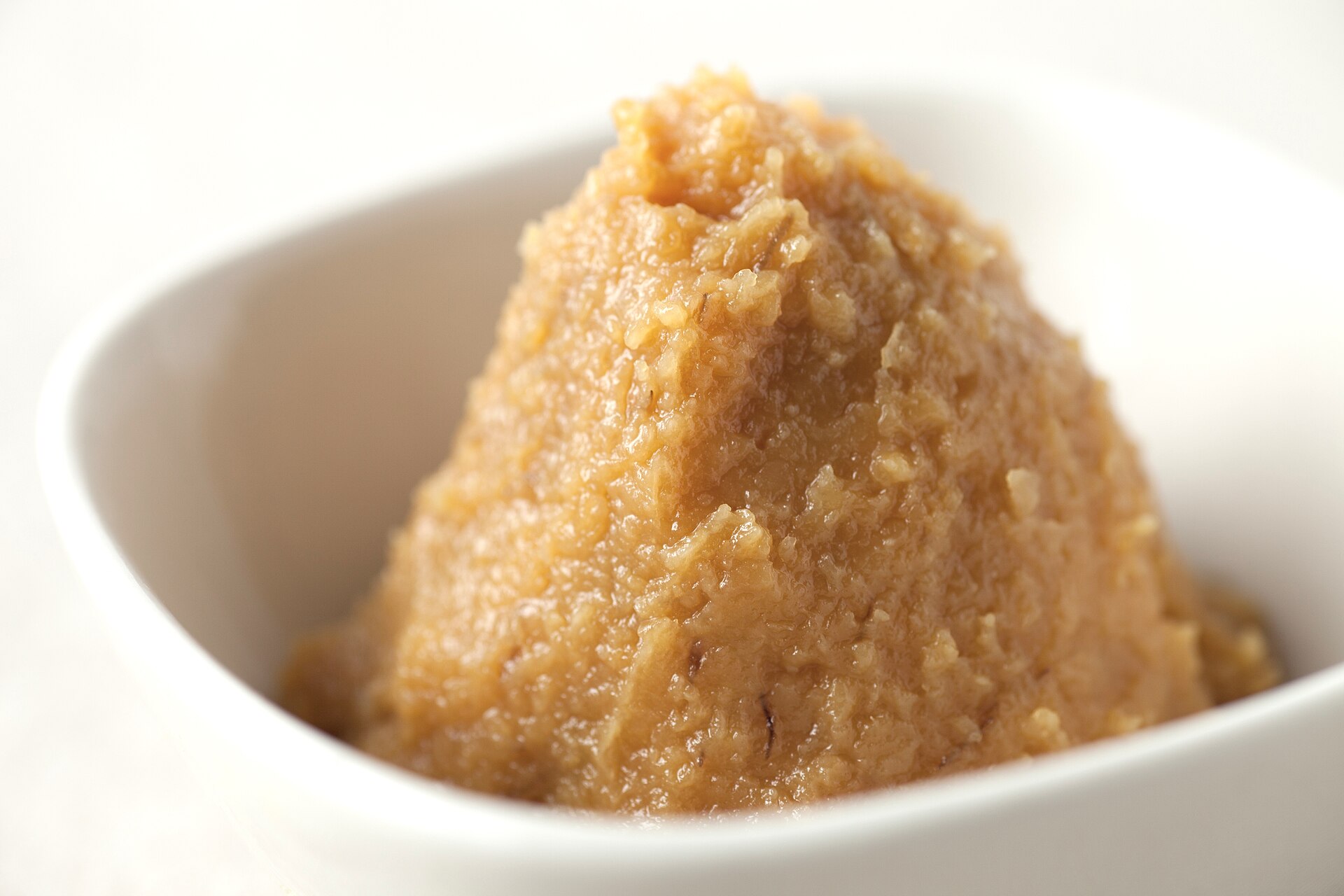
Several brands stood out for their adherence to traditional recipes and clean ingredient lists. The top-rated product was a simple paste made from 34% soya beans, rice, and 11.9% salt. It received a Great Taste two-star award in 2024. The paste was described as a smooth, sienna-colored caramel with a velvety texture. The soup test revealed a mild, very sweet flavor with distinct notes of barley. The testers noted its incredible value and perfect simplicity.
Another standout was a Scottish product made with oat koji, flamingo peas, and sea salt. This coarse yellow paste had a sweet and fruity aroma. The soup test produced a soft, sweet lactic aroma and a clean taste. Described as sweet, young, funky, and alive, it was highlighted as the best splurge for those willing to pay a premium for slow fermentation.
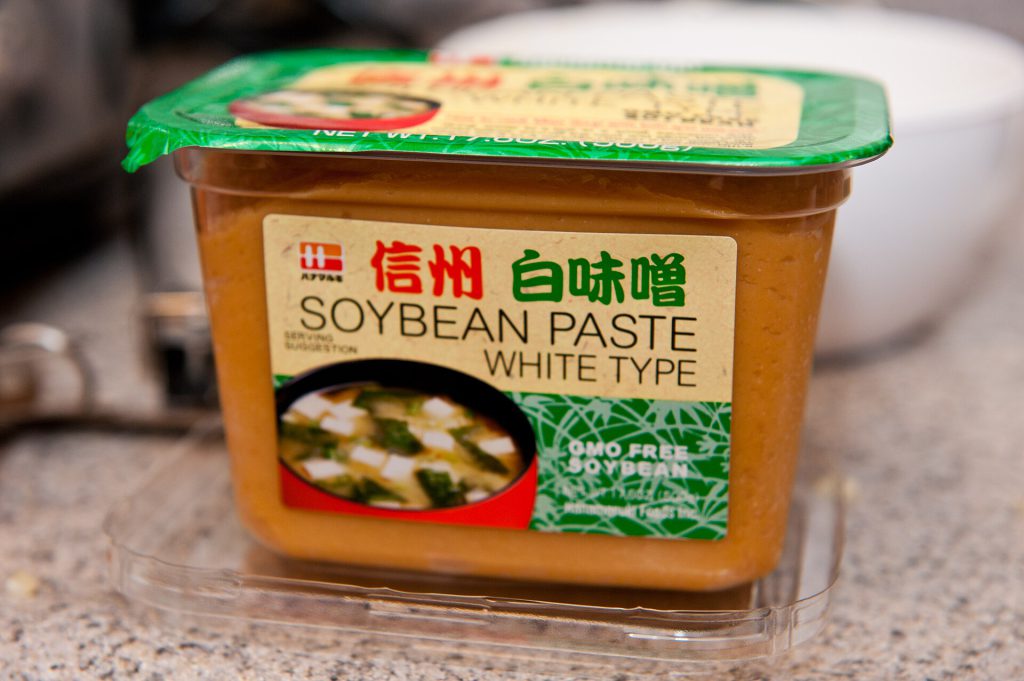
A third highly rated option was a dark chocolate brown paste made from brown rice koji. It offered a deep, meaty, mushroom flavor with an underlying sour twang. The aroma was described as rich and mature, similar to soy sauce. This product was praised for its complex flavor profile derived from traditional ingredients.
Worst-Performing Synthetic Options
At the other end of the spectrum were several thin, glossy pastes that failed to deliver authentic miso flavor. One yellow paste, despite its smoky, fishy aroma, was flagged for its ultra-processed recipe. It contained MSG, bonito, disodium inosinate, and disodium guanylate. While suitable for instant soups, it lacked the depth of fermented miso.
Other low-rated products were heavily diluted. One caramel-colored paste was found to be 53% miso cut with water, alcohol, and yeast extract. Another brown sugar-colored paste contained 55% miso mixed with salt, sugar, acidity regulators, and preservatives. A third ochre paste was 45% miso cut with cornflour, acidity regulator, and potassium sorbate.
The lowest-rated product was described as a synthetic impression of miso. It contained citric acid, plain caramel color, and potassium sorbate. The tester noted that if artificial intelligence were asked to make miso, it would likely produce this sour, umami-flavored liquid. It was described as nothing like the real thing.
The test underscores the importance of reading ingredient labels. Consumers seeking authentic flavor should look for pastes made with simple ingredients like soya beans, rice, barley, and salt. Products with long lists of additives, thickeners, and preservatives are likely to offer a poor culinary experience, regardless of their price point.
Source: The Guardian
