


Global PC shipments fell by 20.1% in the third quarter of 2026, marking a sharp decline of 15.8 million units compared to the same period last year. According to research firm IDC Global, this drop is significantly steeper than the 3.8% decrease recorded in the previous quarter. The market also saw a 9.1% reduction from the second quarter of this year, signaling a deepening crisis in the hardware sector.
AI Demand Diverts Memory Supply
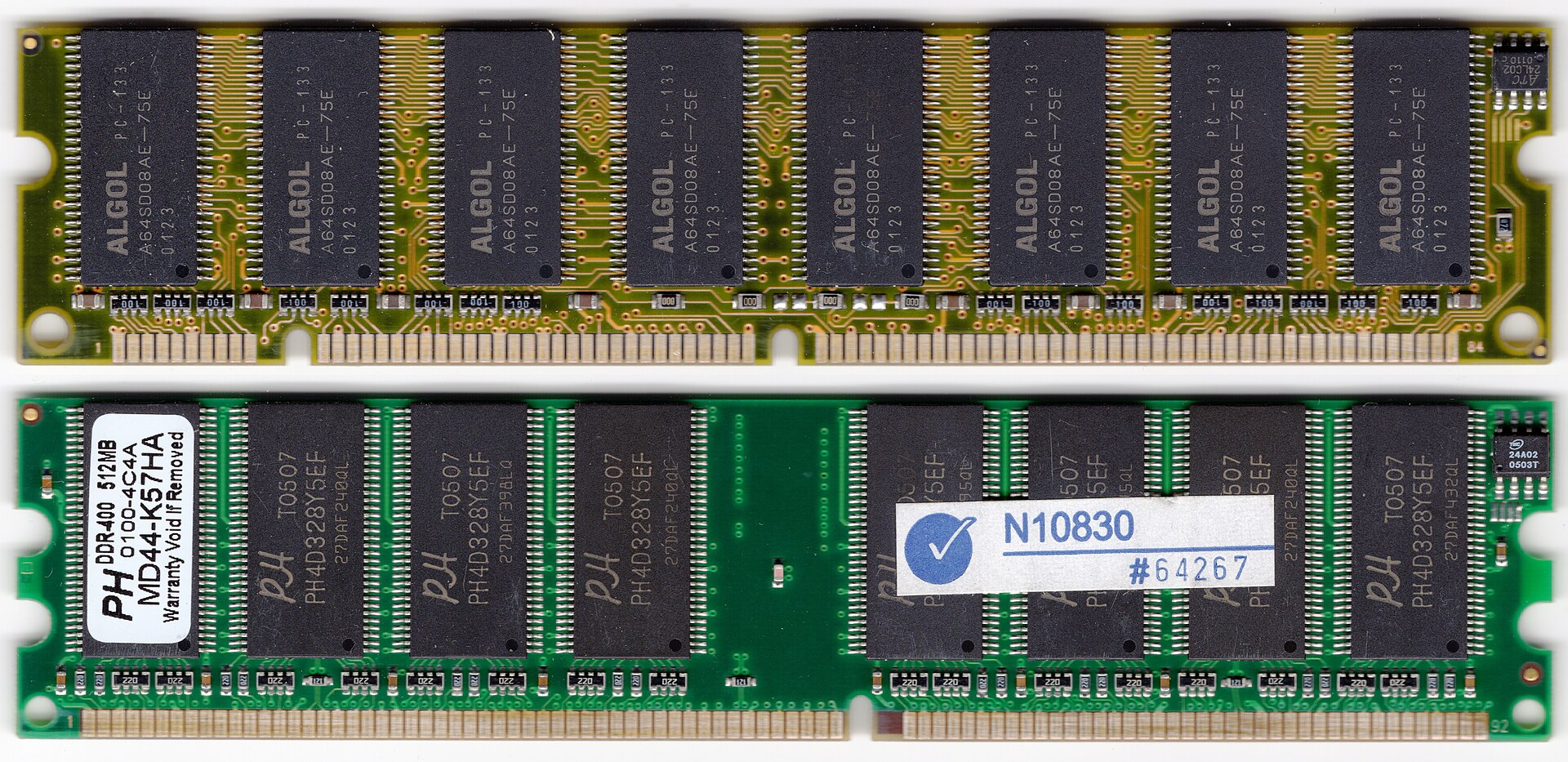
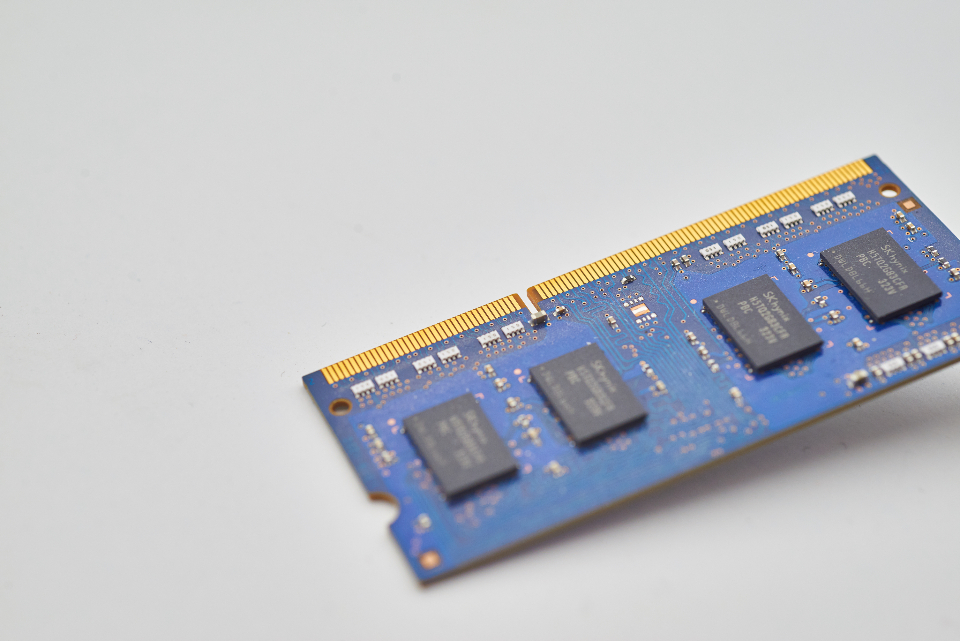
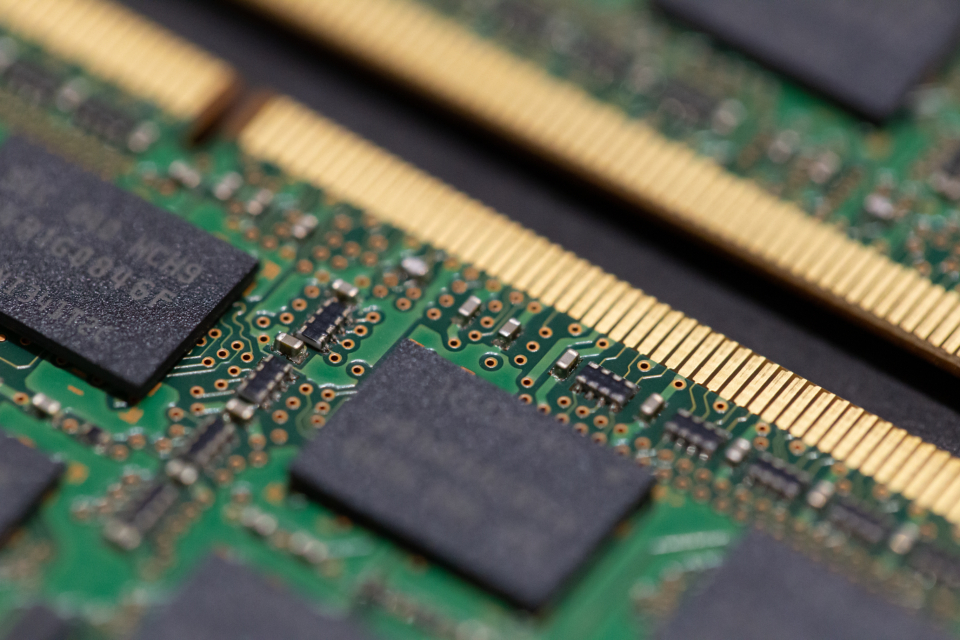
The primary driver of this contraction is a severe shortage of memory chips, caused by a massive shift in manufacturing capacity toward artificial intelligence infrastructure. Hyperscalers are investing heavily in high-bandwidth memory (HBM) to support AI GPUs, leading manufacturers to prioritize data center production over consumer electronics.
Micron, a major memory producer, exemplifies this trend. The company discontinued its Crucial RAM and SSD brand in late 2025 to focus entirely on data center needs. As PC makers compete for a shrinking supply of consumer memory, prices have surged. Some 128GB DDR5 kits now cost up to $3,399, a 500% increase that has effectively priced many consumers out of the market.
Industry analysts have warned about this shift since late last year. IDC previously predicted the PC market could shrink by up to 9%, with budget segments hit hardest. Some experts estimate the situation will not improve until 2029, with many consumers delaying upgrades for the next two years.
Top Vendors Face Steepest Declines
The largest PC vendors experienced the most significant drops in volume. Lenovo shipments fell by 22.6%, HP by 30.9%, and Dell by 25%. Despite these losses, the three companies maintained their market leadership, holding 23.8%, 16.5%, and 12.1% of the global market share, respectively.
Apple saw a smaller decline of 11.3%, while Asus reported an 8.6% drop. The rest of the market, including smaller manufacturers, shipped 14% fewer units year-over-year. The disparity in performance highlights how larger vendors with established supply chains were better positioned to absorb some shock, though not immune to the broader trend.
Jitesh Ubrani, IDC consumer devices research director, explained that the third-quarter slump was partly a result of inventory management strategies earlier in the year. Vendors and channels stocked up heavily in the second quarter to avoid anticipated price hikes. This early buying threw off the usual seasonality, where Q3 is typically larger than Q2.
“Channels are now worried about carrying too much inventory into a market where high prices are suppressing demand,” Ubrani said. “That could translate into promotions and some short-term relief for consumers, but we don’t expect pricing anywhere near what it was a year ago. Prices will remain elevated. With macro conditions worsening, the risk is that the outlook for the next few quarters gets worse before it gets better.”
Conflicting Views on Price Recovery
While most industry leaders predict a prolonged period of high prices, Acer CEO Jason Chen offered a contrasting view. He argued that fears of a long-term shortage are being exaggerated to protect the profit margins of memory chip makers. Chen estimated that PC prices will begin to decline in the latter half of 2027 as new Chinese memory chip capacity comes online.
He noted that only high-end components, such as LPDDR5X-9600 memory and niche CPUs like the Nvidia N1 and N1X, will remain in short supply. However, this optimistic outlook stands in stark contrast to the broader industry consensus, which suggests that the structural shift toward AI-driven memory production will keep consumer prices elevated for years.
Source: Tom’s Hardware
