


Apple is preparing to host its second major fall event on October 13, shifting focus from consumer electronics to the connected home. The invitation, which carries the tagline “Welcome home,” signals a significant pivot toward smart home hardware. This move follows years of incremental updates to the HomeKit platform and suggests a renewed effort to integrate artificial intelligence into household management.
Industry reports indicate that the core of this new strategy relies on improved Siri AI functionality. To support these advanced features, Apple is reportedly introducing a suite of new devices designed to work together as a cohesive ecosystem. The lineup includes the company’s first dedicated smart display, alongside refreshed versions of the Apple TV 4K and HomePod mini.
The HomePad Smart Display
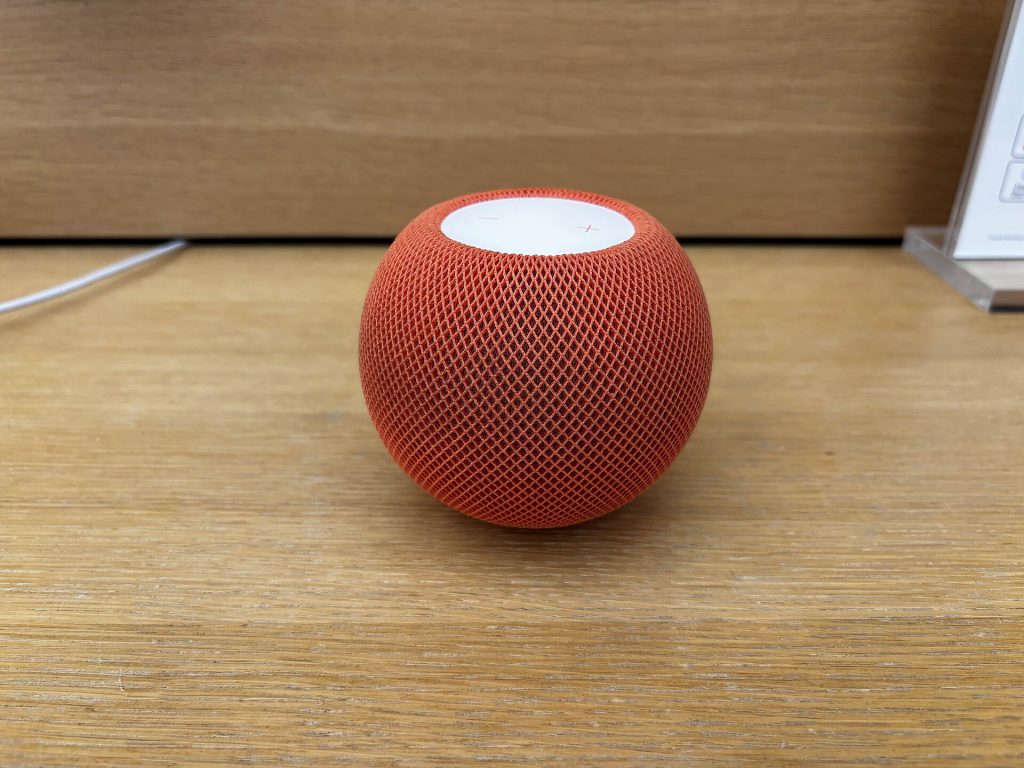
The centerpiece of the announcement is expected to be the HomePad, a device that combines the audio capabilities of a HomePod with a visual interface. According to Bloomberg, the device will feature a six-inch square screen. It will be available in two configurations: attached to a round speaker base similar to the HomePod mini, or as a standalone unit designed for wall mounting.
The HomePad will run on a new operating system called homeOS, which is based on tvOS. This system will support touchscreen interactions and include customizable interface elements borrowed from the Apple Watch and the iPhone’s StandBy mode. Users can expect to view photos, run applications, and use the device as a dedicated FaceTime hub.
One of the key differentiators for the HomePad is its ability to recognize individuals. The device will reportedly use sensors to detect who is looking at the screen, allowing it to personalize the display. This could mean showing specific calendars, notifications, or app recommendations based on the user’s identity, a feature that does not rely on the Face ID technology found in iPhones.
Hardware Upgrades for TV and Audio
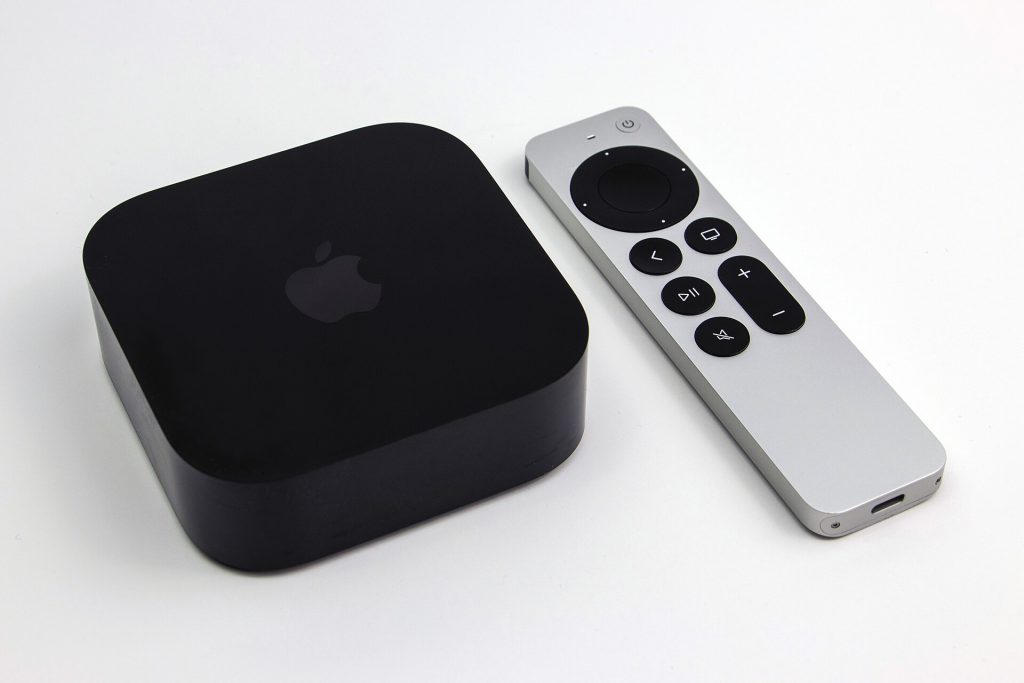
Apple is also updating its existing smart home hardware to support the new AI-driven features. The current HomePod mini and Apple TV 4K rely on older processors that lack the necessary power for advanced Siri AI tasks. The new Apple TV 4K is expected to feature at least an A19 chip, derived from the iPhone 17 lineup, along with a redesigned remote control.
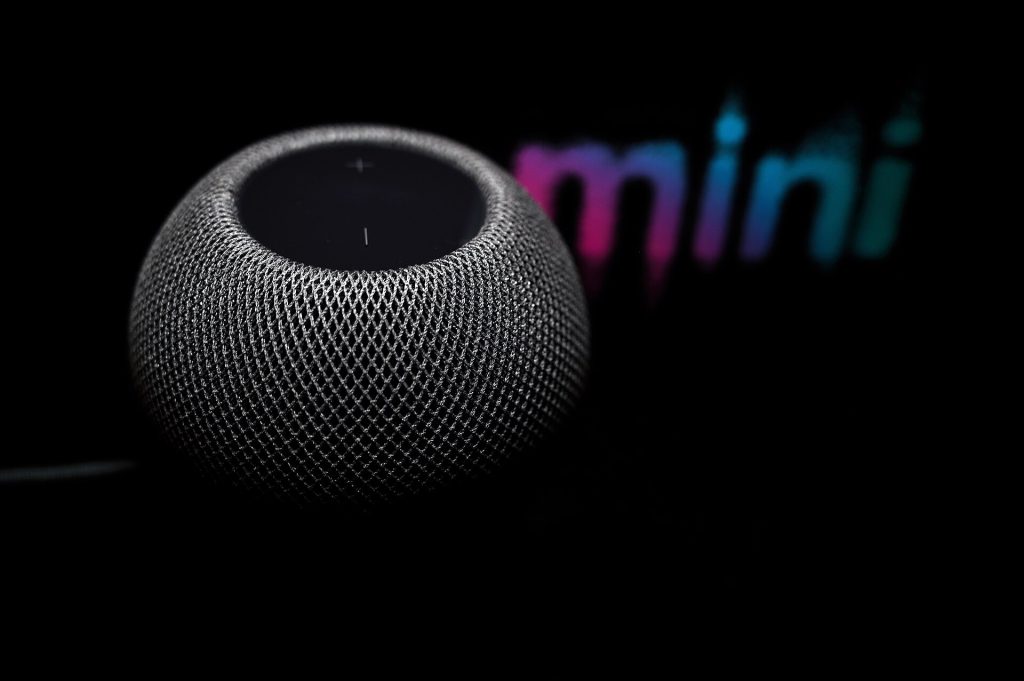
The HomePod mini will receive a similar processor upgrade, likely sourced from recent Apple Watch models. In addition to internal changes, the speaker will be available in new colors, including green, pink, blue, black, and white. Apple is also reportedly expanding its audio capabilities to support surround sound setups using multiple HomePods, building on the stereo configurations currently supported through the Apple TV.
Third-Party Partnerships and Accessories
Expanding beyond its own hardware, Apple is collaborating with external manufacturers to broaden its smart home offerings. Reports suggest that LG Electronics will produce a range of devices, including smart locks, doorbells, thermostats, and temperature sensors. These products will operate within Apple’s HomeKit ecosystem but will be manufactured and sold under the LG brand.
Schneider Electric is also involved in the launch, providing a smart thermostat and a temperature and humidity sensor. This strategy of partnering with established appliance makers allows Apple to offer a wider variety of devices without directly competing with its partners in the hardware manufacturing space. While Apple may release its own versions of these accessories in the future, this initial push relies on third-party support to establish a robust smart home infrastructure.
The October 13 event marks a clear attempt by Apple to redefine its presence in the smart home market. By combining new hardware with enhanced AI capabilities and strategic partnerships, the company aims to create a more integrated and user-friendly experience for connected households.
Source: Engadget
