


When psychiatrist Dr. Norman Rosenthal relocated from South Africa to the United States in 1976, he began experiencing a noticeable drop in energy during the harsh American winters. He was not alone in this experience. He observed that others felt similarly depressed as the days grew shorter, only to recover their spirits when spring arrived. This pattern led him to study the condition, resulting in the first published research on the syndrome and the coining of the term seasonal affective disorder in 1984.
According to the American Psychiatric Association, approximately one in 20 people in the United States suffer from this condition. The disorder typically persists for about 40 percent of the year. Symptoms include sluggishness, depression, oversleeping, overeating, weight gain, and a loss of interest in previously enjoyed activities. While many people experience a milder form known as the winter blues, those with the full disorder often find their daily lives significantly disrupted.
Recognizing the Symptoms of SAD
Dr. Rosenthal notes that the onset of symptoms can be deceptive because they develop incrementally. A person might feel slightly down in September, worse in October, and even more depressed in November. This gradual decline can make it difficult to recognize the pattern until the condition is well established. He compares this to the fable of a frog in a bowl of water that is slowly heated; the frog does not realize the danger until it is too late.
Women are about four times more vulnerable to this condition than men, and it is more common in the Northern Hemisphere. Some individuals describe feeling like a bear preparing to hibernate. If you feel a strong identification with this urge to withdraw and sleep, it may be a sign of the disorder. Recognizing these symptoms early is critical because the condition can become debilitating if left untreated.

Light Therapy and Environmental Cues
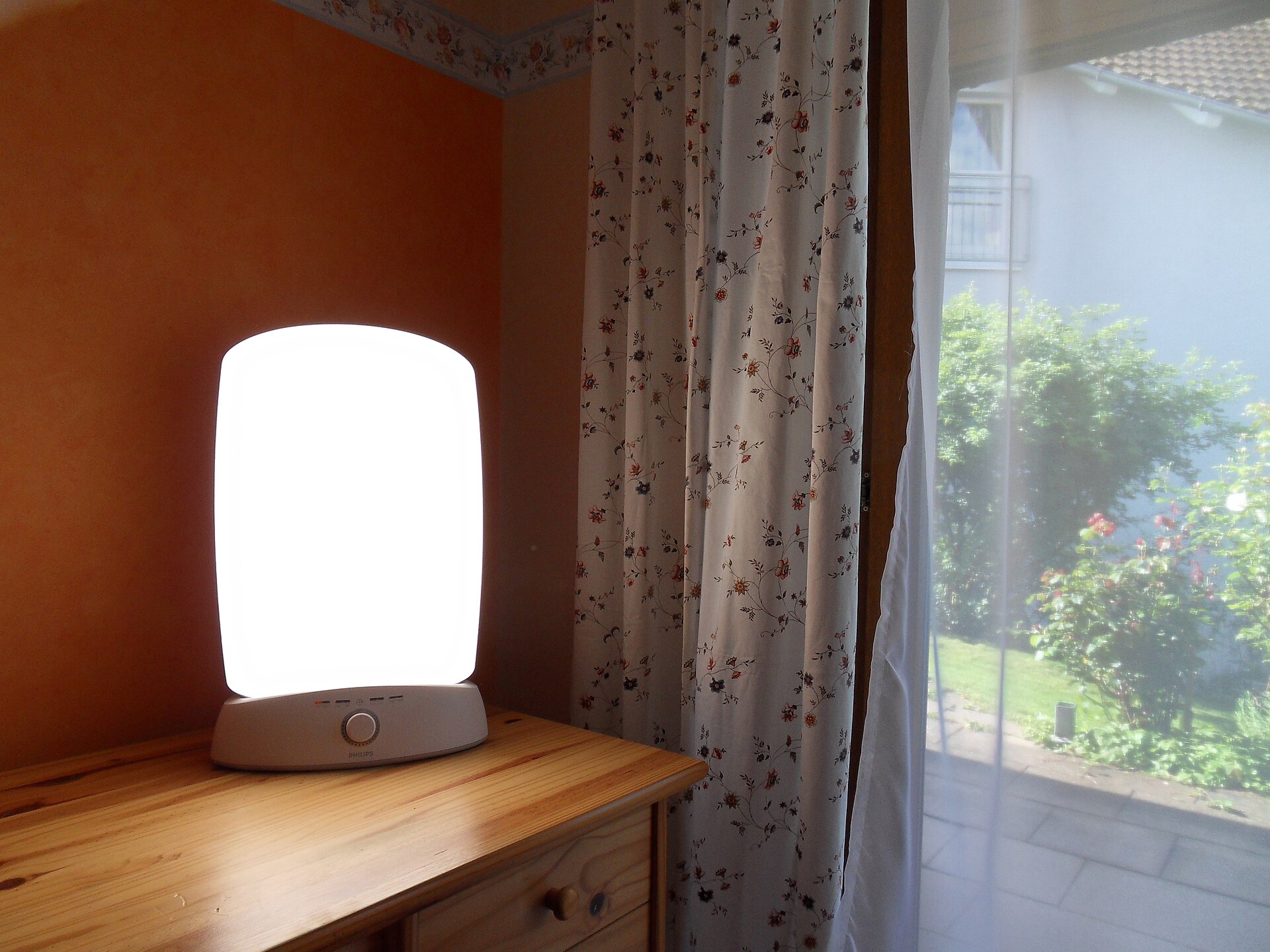
A fundamental aspect of this condition is that some individuals require more light to regulate their internal clocks. One of the most common treatments is the use of a SAD lamp. These devices generate light that is far more intense than standard indoor lighting, typically around 10,000 lux. The light is absorbed through the eyes rather than the skin, so users should not stare directly at the lamp. Instead, Dr. Rosenthal recommends positioning the lamp so the light shines down, mimicking the natural angle of the sun.
Using the lamp for 20 to 30 minutes a day, preferably in the morning, can lead to noticeable improvements within two weeks. If there is no change after that period, the treatment may not be effective for that individual. While preventive light therapy has inconclusive study results, it remains a highly effective treatment for those who already have the disorder. It is also important to seek natural light whenever possible, even on overcast days, and to keep windows clean to maximize exposure.
Food and exercise also serve as powerful cues for the body’s circadian rhythm. Emily Manoogian, a clinical researcher at the Salk Institute for Biological Studies, explains that people with seasonal affective disorder often have a delayed circadian rhythm. Eating acts as a signal to the body that it should be awake. To help reset this rhythm, experts recommend stopping eating three hours before bedtime and maintaining a consistent 10- to 12-hour eating window. Exercise during the active part of the day can further signal to the brain that it is time to be awake, helping the body rest properly in the evening.

Managing Stress and Appetite
Individuals with this disorder often experience a strong craving for carbohydrates, sweets, and starches. This dietary shift can lead to weight gain that is difficult to lose during the summer months, creating a cycle of increasing weight year after year. Breaking this cycle requires conscious effort to manage food intake and maintain physical activity, even when motivation is low.
Stress is another major factor, often stemming from a lack of motivation and feeling ineffective. Dr. Rosenthal suggests that people can break the vicious cycle of inactivity by forcing themselves to get up and engage in physical activity. Simple changes, such as decorating rooms with bright colors, seeing a therapist, or practicing meditation, can also help reduce stress. While the effects of meditation on this specific disorder have not been fully studied, many find it beneficial.
If these lifestyle changes do not provide relief, or if the condition interferes with work and personal relationships, medication can be an effective option. Dr. Rosenthal emphasizes that while these strategies are not a cure, they can help manage the symptoms effectively. “It’s not a cure, but sometimes the SAD dies of neglect,” he says.
Source: NPR
