


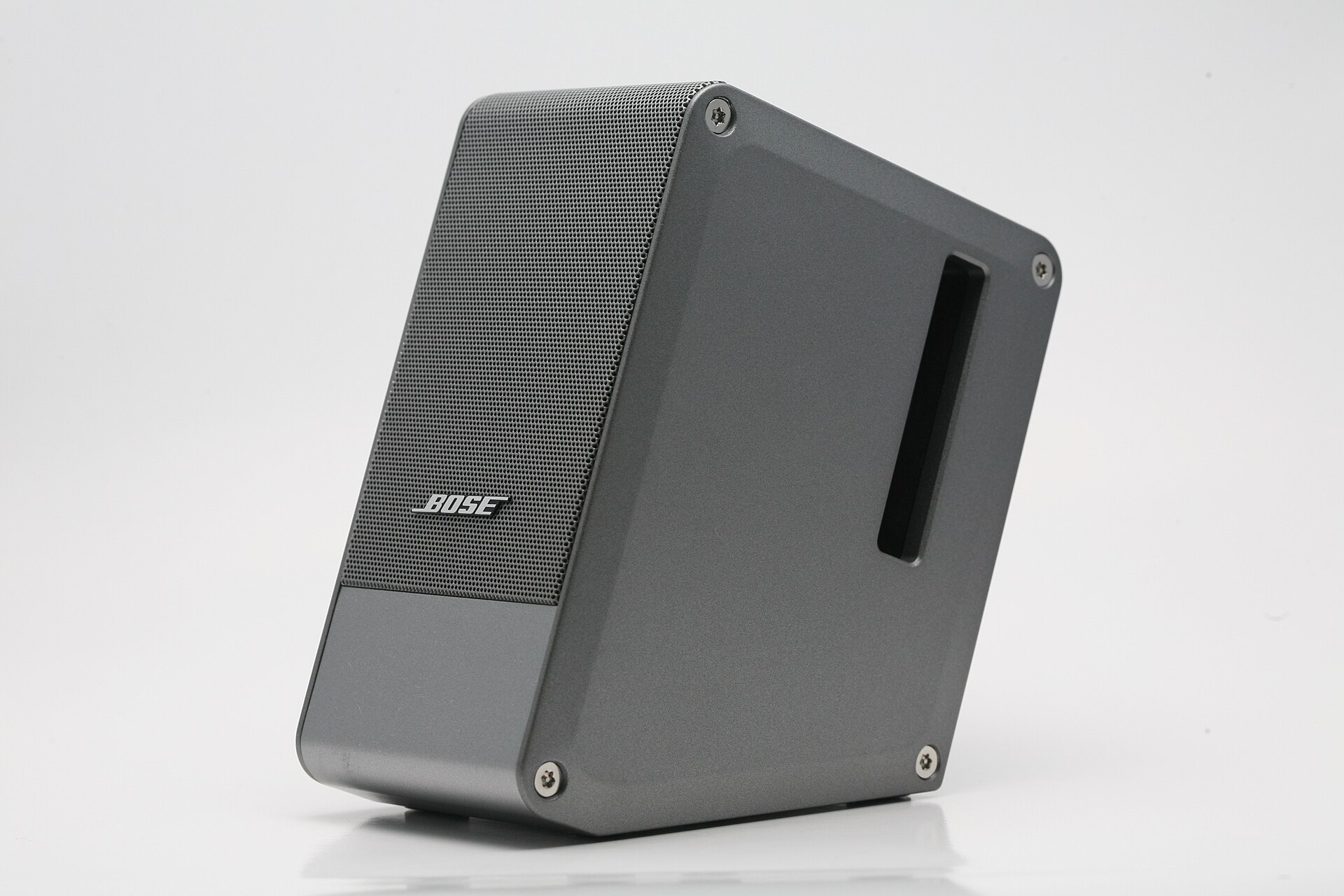
Bose and the US Consumer Product Safety Commission (CPSC) announced a recall on Thursday covering nearly 635,000 lithium-ion battery packs in the United States, along with approximately 35,400 units in Canada. The recall affects the removable battery packs used in the Bose S1 Pro and S1 Pro+ portable PA speakers.
The agency cited overheating and ignition risks as the primary reasons for the recall. Bose has received seven reports of the batteries melting, smoking, or catching fire. These incidents resulted in six cases of property damage, though no injuries have been reported to date.
Identifying Affected Battery Units
Not every battery pack is part of the recall. Owners must remove the battery from their speaker and locate the 17-digit serial number printed on the side. If the serial number begins with any of the following prefixes, the unit is included in the recall:
- 083723
- 078352
- 084105
- 078591
- 078592
- 084106
- 086409
Consumers with affected batteries can sign up for a free replacement on Bose’s official recall page. The company has provided detailed instructions for the return and replacement process. While waiting for the new battery, users can continue to operate the speaker using AC power.
Product Background and Sales History
The S1 Pro and S1 Pro+ are portable public address speakers designed for mobile use at parties, gigs, and small events. The units feature a built-in mixer, Bluetooth streaming capabilities, and the removable battery pack that is now under scrutiny. The S1 Pro+ model also supports a wireless microphone and instrument transmitter, which are sold separately for $159.
The affected battery packs were sold between December 2017 and July 2026. They were included in the box with many of the speaker units, which retail for approximately $700, and were also available as standalone accessories for prices ranging from $100 to $160. Sales occurred through Bose directly, as well as major retailers including Best Buy, Amazon, and Walmart.
Bose advises against disposing of the recalled lithium-ion batteries in regular household trash. Consumers should contact their local household hazardous waste center to determine the proper method for safe disposal.
Source: Engadget
