


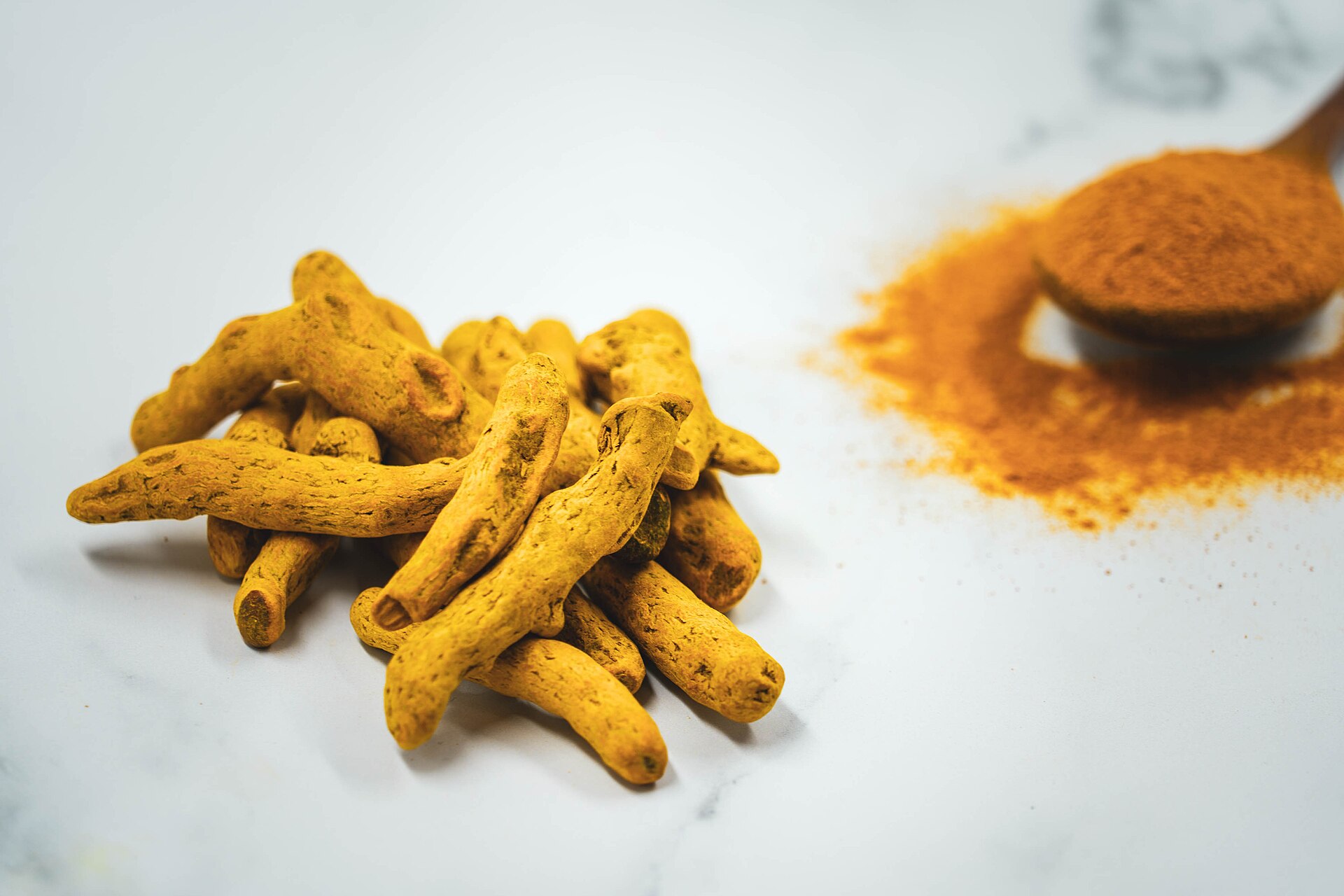
Scientists at Wroclaw Medical University and the University of Wroclaw have completed a comparative analysis of five plant-derived substances to determine their potential as anticancer agents. The study, published recently, highlights curcumin as the compound with the most balanced profile of efficacy and safety.
The research team examined curcumin, berberine, biochanin A, cucurbitacin E, and CAPE, a component of propolis. They tested these substances on fibrosarcoma cells and healthy muscle cells to observe how each affected cellular metabolism and survival. The goal was to identify compounds that could selectively target cancer cells without causing excessive harm to healthy tissue.
Disruption of Cellular Energy
A central focus of the investigation was the NF-kappa B signaling pathway. This biological mechanism regulates inflammation, metabolism, and cell survival. In cancer cells, high activity in this pathway often helps tumors survive stressful conditions. The researchers aimed to see if the natural compounds could influence this pathway in a controlled manner rather than eliminating it entirely.
The compounds also interfered with mitochondrial function, which is responsible for generating energy in cells. The impact was significantly more severe in fibrosarcoma cells than in healthy muscle cells. ATP levels, the primary energy currency of cells, dropped by approximately 83 to 92 percent in cancer cells. In contrast, healthy muscle cells experienced a decrease of only 23 to 73 percent.
This disparity suggests that cancer cells are particularly vulnerable when their energy production is disrupted. The study indicates that these natural substances can place a greater metabolic burden on cancer cells than on normal cells.
Curcumin Leads in Selectivity and Safety
All five compounds triggered cellular senescence in the fibrosarcoma cells. Senescence is a state where cells remain alive but permanently lose the ability to divide. Curcumin produced the strongest effect, raising the share of senescent cancer cells from about 16.5 percent to more than 75 percent. Each of the other compounds also pushed this percentage above 66 percent.
However, efficacy against cancer cells is only one part of the equation. The study also evaluated how these compounds affected healthy cells and an invertebrate model. Cell viability tests showed that curcumin and CAPE were the most selective against fibrosarcoma cells. Curcumin stood out because it combined strong anticancer activity with a comparatively favorable safety profile.
To assess toxicity beyond isolated cells, the researchers tested the compounds in greater wax moth larvae. Curcumin and berberine were the best tolerated. CAPE and cucurbitacin E were associated with higher mortality rates, while biochanin A proved to be the most toxic of the five substances.
Prof. Julita Kulbacka from the Department of Molecular and Cellular Biology at Wroclaw Medical University noted that berberine, cucurbitacin E, and CAPE enhanced a process called mitophagy in cancer cells. This process removes damaged mitochondria. The researchers concluded that this was not a protective response but rather an overwhelmed adaptive mechanism leading to cell death.
Next Steps for Drug Development
The findings underscore a critical lesson in drug development. A substance can be highly active against cancer cells and still be a poor candidate if it causes too much harm elsewhere in the organism. The results do not suggest that curcumin, berberine, or the other compounds can currently be used to treat sarcomas in humans.
The experiments relied on animal cell lines and a relatively simple invertebrate toxicity model. The researchers emphasize that these are preliminary laboratory results. The next step is to evaluate these compounds in more advanced in vivo models. Scientists also need to better understand their mechanisms of action, optimal dosing, and delivery methods.
Even with these limitations, the work helps narrow down which natural compounds may deserve closer study. It shows why potential anticancer agents should be judged not only by how effectively they affect cancer cells but also by how they influence healthy tissues and the organism as a whole.
Source: ScienceDaily
