


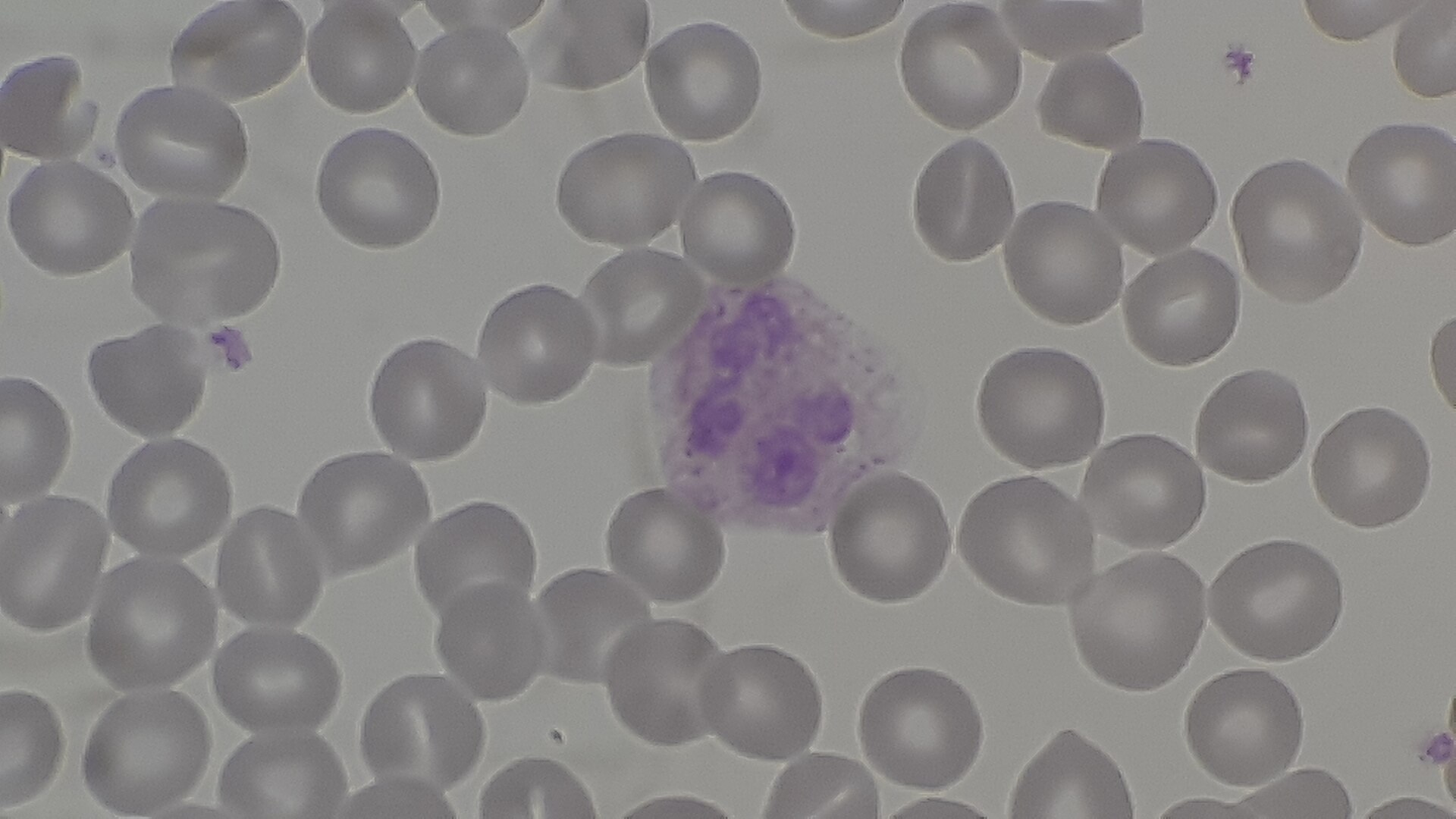
Scientists at McGill University have identified a physical mechanism that helps the immune system establish long-term protection against infections. The study, published in Nature Immunology, reveals that tissue-resident memory T cells can detect the stiffness of their surrounding environment. This physical sensing ability influences whether these cells survive and remain in the body to fight future threats.
For decades, immunologists believed that chemical signals were the primary drivers of T cell behavior. These specialized cells stay in body tissues after an infection clears, waiting to respond quickly if the same pathogen returns. The new findings challenge this chemical-only model by showing that mechanical forces play an active role in shaping immune memory.
T Cells Adapt to Physical Environment
Lead author Judith Mandl, a professor in McGill’s Department of Physiology, described the discovery as a fundamental shift in understanding immune cell function. She noted that T cells appear to feel their surroundings and adapt to them. This suggests that the physical environment is not just a passive backdrop but an active force in determining cell fate.
To test this hypothesis, the research team collected immune cells from both humans and mice. They placed these cells inside specially designed collagen gels that mimicked tissues with varying levels of stiffness. The experiments showed a clear pattern: as the gels became stiffer, the T cells were more likely to develop characteristics associated with long-lasting tissue-resident memory cells.
This indicates that the mechanical properties of tissues help shape how immune cells develop. The cells seem to use physical cues to decide whether to stay and provide lasting protection or move on. Identifying the specific molecular sensor that allows T cells to detect these forces is the next step for the researchers.
Implications for Cancer and Autoimmune Treatments
The discovery has significant potential for medical treatments, particularly in oncology and autoimmune disease management. Many tumors are dense and physically difficult for immune cells to penetrate. Understanding how T cells adapt to stiff environments could help researchers design immunotherapies that are better equipped to reach and attack these solid tumors.
The findings also offer new avenues for treating conditions where the immune system mistakenly targets healthy tissue. Autoimmune disorders, allergies, and transplant rejection complications often involve complex interactions between immune cells and their local environment. By understanding how physical cues influence cell behavior, scientists may develop therapies that modulate these responses more effectively.
The research involved a collaboration between McGill University and institutions in the Netherlands and the United States. The study received funding from the Human Frontier Science Program, the Canadian Institutes of Health Research, the Canadian Foundation for Innovation, the Natural Sciences and Engineering Research Council of Canada, and the U.S. National Institutes of Health.
The team is now focused on isolating the molecular sensor responsible for this mechanical detection. Determining how this sensor converts physical forces into cellular changes will provide a clearer picture of how the immune system establishes lasting protection against disease.
Source: ScienceDaily
